Apple with Children's Playful Mono 2: A Design Review
When I first opened Apple with Children s Playful Mono 2, I was immediately drawn to its balance of whimsy and structure. As someone who has digitized and stitched hundreds of embroidery designs over the years, I have a soft spot for graphics that feel hand-drawn yet remain machine-friendly. This design walks that line well. It is playful without being chaotic, and the mono treatment gives it a clean, cohesive look that works across multiple project types. Whether you are decorating a child's garment, a kitchen textile, or a boutique gift item, the mood here is cheerful, approachable, and distinctly handmade. That is a rare combination in digital embroidery files, especially when the design needs to hold up under the needle.
For context, I recently used this design to prepare a custom embroidered tote bag for a local children's bookstore. The owner wanted something that felt youthful but not cartoonish, and Apple with Children s Playful Mono 2 fit that brief perfectly. I hooped a medium-weight cotton canvas, used a medium-weight cutaway stabilizer, and ran a test stitch on a scrap piece before committing to the final product. The result was clean, the satin stitch areas held their edges well, and the overall shape read clearly even from a few feet away. That kind of readability matters when you are producing items for sale or gifting, because customers tend to judge the quality of the embroidery before they even touch the fabric.
First Impressions and Visual Personality
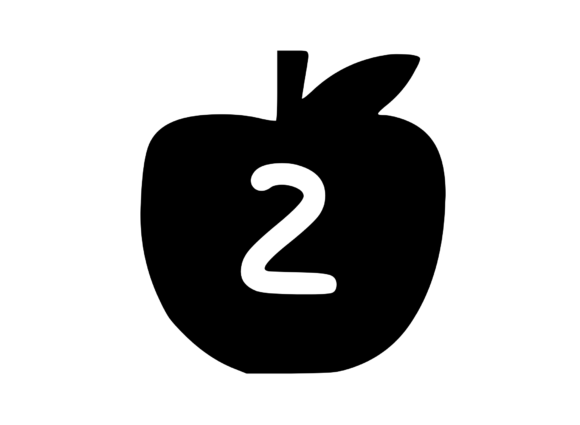
The design has a friendly, open feel. The apple shape is immediately recognizable, and the playful mono line work adds a sense of movement without overcomplicating the silhouette. It does not try to do too much, which is a sign of thoughtful design. Many graphics in the Crafts category try to cram in too many elements, but Apple with Children s Playful Mono 2 knows what it wants to be. The mono treatment gives it a sketch-like quality that translates well into embroidery, especially when you use a single thread color or a simple two-color palette. I tested it in both black and a soft red thread on a natural linen background, and both versions held their charm. The design does not rely on color to survive, which makes it versatile for both light and dark fabrics.
That said, the detail level is moderate. There are fine lines in the mono work that could get lost on very dark or very textured fabrics. If you are stitching onto fleece, terry cloth, or heavy sweater knit, I would recommend testing the design first with a high-contrast thread color and a sharp needle. On smooth fabrics like cotton poplin, linen, or even quality polyester blends, the stitches sit cleanly and the design reads beautifully. The overall visual personality leans toward modern rustic, which is popular right now in handmade product branding and personalized gift markets.
Where This Design Shines in Real Projects
I have tested Apple with Children s Playful Mono 2 on several product types, and it performs best on items that benefit from a central, standalone motif. Here are a few real-use cases where I think this design truly delivers:
- Custom tote bags for children's events, bookstores, or farmers market shops
- Sweatshirt embroidery for toddler and preschool sizes, especially in pastel or neutral thread colors >li>Baby bibs and onesies where a single playful graphic makes the whole piece feel intentional
- Embroidered patches for backpacks, denim jackets, or felt ornaments
- Personalized gifts like kitchen towels, pillow covers, or nursery decor items
- Small shop merchandise for Etsy sellers looking for a cohesive, repeatable design asset
One of my favorite applications was on a set of four cotton aprons for a small bakery that wanted a subtle, playful logo for their kids' baking classes. I stitched Apple with Children s Playful Mono 2 in a single thread color on each apron, and the consistency across the set gave the business a polished, handmade look. The design did not overwhelm the fabric, and it did not fight with the other visual elements of the aprons. That kind of integration is exactly what I look for when recommending a machine embroidery design to clients who sell finished products.
Performance Across Different Product Types
When you are running a craft business or selling handmade products on Etsy, you need designs that work across multiple formats without requiring a separate digitizing session for each one. Apple with Children s Playful Mono 2 is versatile enough to handle a range of product types, but it is not a one-size-fits-all solution. Let me break down how it performs on common product categories.
On custom apparel like t-shirts and sweatshirts, the design sits well on the front chest area or centered on the back. I recommend keeping the hoop size moderate, large enough to let the design breathe but not so large that it becomes a focal point that overwhelms the garment. On caps and hats, you may need to adjust the placement or reduce the scale slightly to avoid distortion on the curved surface. The mono line details can bunch up if the design is shrunk too aggressively, so test the size before stitching on curved items.
For home decor items like pillow covers, tea towels, and blankets, the design works beautifully as a standalone accent. I stitched it onto a linen pillow cover for a nursery, and the hand-drawn quality of the mono lines added a soft, artisanal feel that matched the room's aesthetic. On blankets, especially fleece or minky, I would use a cutaway stabilizer and a sharp ballpoint needle to prevent skipped stitches. The design holds up well after washing, but I always recommend testing a finished sample through at least three wash cycles before selling the final product. Thread color fastness and stabilizer integrity matter for customer trust.
For printable mockups and digital product previews, the Graphics format of this design makes it easy to pair with other elements. I often use it in composite mockups for Etsy listings, layering it over a tote bag or sweatshirt image to show customers how the finished embroidery will look. The design scales well for digital use, but remember that the embroidery file itself may have different density requirements than the SVG preview. Always check the stitch density before committing to a large production run.
Where to Use Caution
No design is perfect for every scenario, and Apple with Children s Playful Mono 2 has a few limitations worth noting. The mono line details can become muddy on high-pile fabrics, on very thin or stretchy knits, and on dark backgrounds where the thread does not pop. I also found that the design's small interior spaces, like the leaves or the stem area, can get lost if you reduce the hoop size too much. If you are working with a 4x4 hoop, test the design at that scale first. Some mono elements may need to be simplified to stitch cleanly at smaller sizes.
Another area to watch is fabric texture. On bumpy or heavily textured fabrics like linen slub or jute, the satin stitch areas may not lay as flat as they do on smooth cotton. I would avoid using this design on extremely loose weaves or fabrics with a lot of stretch unless you have a very stable setup and a sharp needle. For commercial embroidery projects where consistency across a large batch is critical, I recommend sticking with medium-weight woven fabrics for the best results.
Also, keep in mind that the design's playful mono style may not suit formal or minimalist branding. If your shop focuses on modern, geometric, or ultra-clean aesthetics, this design will feel out of place. It is best for brands and products that want to convey warmth, creativity, and a handcrafted feel.
Practical Embroidery Notes
Before you stitch Apple with Children s Playful Mono 2 on your final product, here are a few practical notes from my own testing:
- Test on scrap fabric first. Run the design on a piece of the same fabric you plan to use for the final product. Check thread tension, stitch density, and how the design behaves on the grain.
- Check thread color contrast. On light fabrics, a medium gray or dark red thread works well. On dark fabrics, use a bright or metallic thread so the mono lines stay visible.
- Review stitch density. If the file feels too dense for your fabric, reduce the density in your software or choose a lighter stabilizer. Dense designs can cause puckering on thin fabrics.
- Inspect small details. Zoom in on the leaf and stem areas to confirm they are structurally sound. If you are working with a commercial embroidery machine, run a test at actual size to catch any digitizing errors.
- Test in black and white mockups. This helps you see the design's shape and readability without color distractions. If it looks strong in grayscale, it will look strong in color.
- Use proper stabilizer. For most applications, a medium-weight cutaway stabilizer is safe. For stretchy fabrics, add a topper or use a tearaway with caution.
- Confirm licensing before selling. Since Apple with Children s Playful Mono 2 is a digital embroidery file under Crafts and Graphics, check whether your license allows commercial use, reproduction on finished products, or digital resale. Do not assume—verify.
These steps might seem basic, but they save time, thread, and fabric in the long run. I have ruined more than a few projects by skipping the test stitch, and I always regret it.
Final Thoughts on Value and Versatility
Apple with Children s Playful Mono 2 is a solid addition to any embroidery designer's library, especially if you work with children's products, handmade gifts, or small shop merchandise. It is not trying to be the most complex design on the market, and that is precisely its strength. It delivers a clear, readable graphic that stitches well on a variety of fabrics, and it offers enough personality to stand out without overwhelming the product. For Etsy sellers, boutique owners, and craft business operators, this is the kind of design asset that earns back its cost in the first few sales.
I would recommend pairing it with a thoughtful thread color and a clean fabric background. Avoid overcomplicating the layout. Let the design do the work. And always, always run a test stitch before you commit to a finished product. If you are looking for a playful, professional, and practical embroidery file for your next project, Apple with Children s Playful Mono 2 is worth a close look.