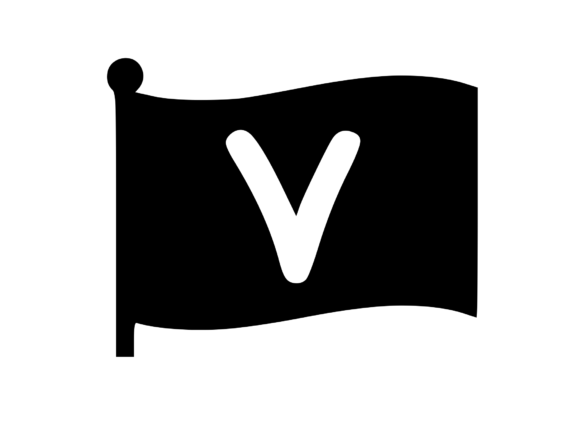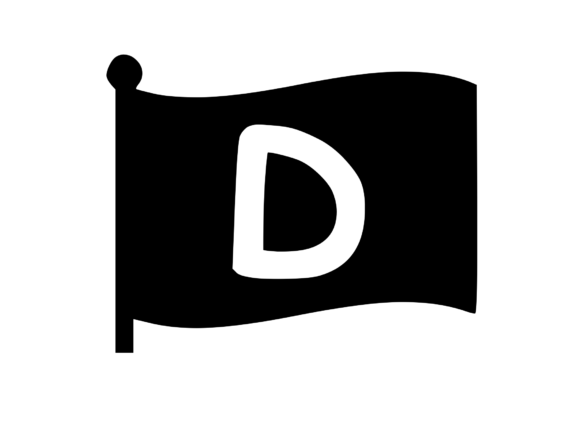
Waving Flag with Mono D
As an embroidery designer and product reviewer, I’ve evaluated countless machine embroidery designs. Waving Flag with Mono D stands out for its bold simplicity and strong visual presence. This SVG design is a versatile tool that can elevate a range of projects, from custom apparel to handmade gifts. But like any design, it has its strengths and limitations depending on how it’s used.
First Impressions: A Bold Statement in Simple Lines
The first thing that catches the eye is the clean, minimalist style of Waving Flag with Mono D. The design features a single, flowing flag that appears to be in motion, giving it a dynamic feel. The use of negative space and strong outlines makes it highly visible, even at smaller sizes. It’s a design that commands attention without being overwhelming.
The layout is straightforward, making it ideal for applications where clarity and impact matter most. It doesn’t have intricate details or complex shapes, which means it works well in both modern and traditional settings. The theme is patriotic, celebratory, and universally recognizable, which adds to its appeal for a wide range of customers.
Real-World Use: From Tote Bags to Holiday Gifts
I recently considered using Waving Flag with Mono D for a custom tote bag design. The simplicity of the design made it easy to adapt to different fabric types and sizes. On a cotton tote, it looked sharp and professional, especially when stitched with a satin stitch. For a more textured look, I could have used a fill stitch to add depth.
This design also works well for sweatshirt embroidery, baby clothes, and aprons. Its size and shape make it suitable for patches, which can then be applied to jackets, backpacks, or hats. The design’s lack of fine details means it won’t get lost on stretchy or thin fabrics, but it still needs proper stabilizer to prevent distortion during stitching.
For holiday or wedding gifts, Waving Flag with Mono D offers a classic yet modern touch. It can be used as a decorative element on pillow covers, tea towels, or even as part of a printable mockup for digital product sellers. Its versatility allows it to fit into multiple niches, from craft businesses to small shop merchandise.
Where to Be Cautious: Limitations and Best Practices
While Waving Flag with Mono D is generally easy to work with, there are situations where it may not perform as well. For instance, if you’re using it on a small hoop, the design might require careful placement to ensure all elements are included. Small hoop sizes can limit the amount of detail you can capture, so testing on scrap fabric is essential before committing to a final project.
On textured or dark fabrics, the design may not show up as clearly. If the background is too dark, the flag could blend in unless the thread color is chosen carefully. Similarly, on stretchy or thin materials, the design might pucker or distort without the right stabilizer. Always test on the actual fabric you plan to use.
For products that will see frequent washing, such as baby clothes or kitchen towels, it’s important to ensure the stitches are secure. A running stitch might not hold up as well as a satin or fill stitch in high-use areas. Also, if the design is going to be used commercially, check the licensing terms to confirm it’s suitable for resale or redistribution.
Impact on Visual Appeal and Customer Perception
Waving Flag with Mono D adds a strong visual identity to any project. Its clear lines and bold shape make it instantly recognizable, which is great for branding or promotional items. When used on custom apparel or personalized gifts, it gives the finished product a polished, professional look that customers appreciate.
From a business perspective, this design can enhance the perceived value of handmade products. It’s a statement piece that can help differentiate your offerings in a crowded market. Whether you’re an Etsy seller, a craft fair vendor, or a small shop owner, having a design like this in your library can open up new opportunities for creative expression and sales.
It also plays a role in customer trust. A well-executed embroidery project with a clear, impactful design signals quality and attention to detail. This can lead to repeat business and positive reviews, which are crucial for long-term success in the handmade and craft industries.
Practical Designer Notes: What to Check Before Using
Before using Waving Flag with Mono D in a real project, here are some key steps to take:
- Test on scrap fabric: Ensure the design looks good on the material you’ll use for your final product.
- Check thread color contrast: Make sure the thread color complements the fabric and enhances the design.
- Review stitch density: Adjust the density to match the fabric type and desired texture.
- Confirm hoop size: Ensure the design fits within your hoop dimensions without requiring repositioning.
- Inspect small details: Look for any areas that might need adjustment or reinforcement.
- Test in black and white mockups: See how the design looks without color to assess its structure and balance.
- Compare light and dark backgrounds: Determine how the design interacts with different fabric colors.
- Use proper stabilizer: Prevent puckering or distortion on delicate or stretchy materials.
- Verify commercial use rights: Confirm that the design is licensed for resale or redistribution if needed.
By following these steps, you can maximize the potential of Waving Flag with Mono D while minimizing risks. It’s a design that, when used thoughtfully, can become a valuable asset in your embroidery toolkit.
Final Thoughts: A Design That Speaks Volumes
Waving Flag with Mono D is more than just a graphic—it’s a statement. Its simplicity and strength make it adaptable across various projects, from everyday wear to special occasion gifts. Whether you're an experienced embroiderer or just starting out, this design offers a solid foundation for creative exploration.
Like any embroidery file, its success depends on how it’s used. With the right approach, Waving Flag with Mono D can become a standout element in your collection, helping you create beautiful, meaningful, and commercially viable products. Just remember to test, adjust, and always consider the end user’s experience.