Frightfully Scary Scratched Mono V: Hands-On Review
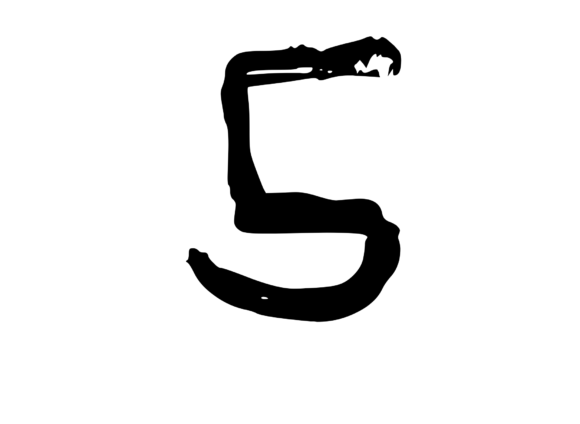
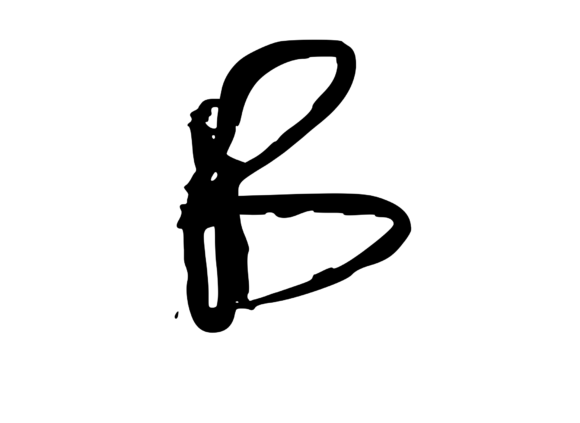
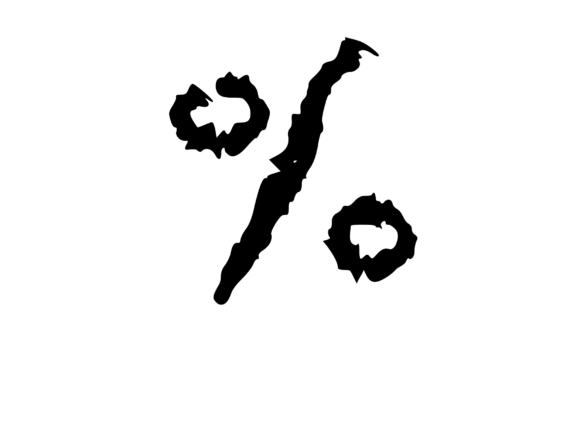
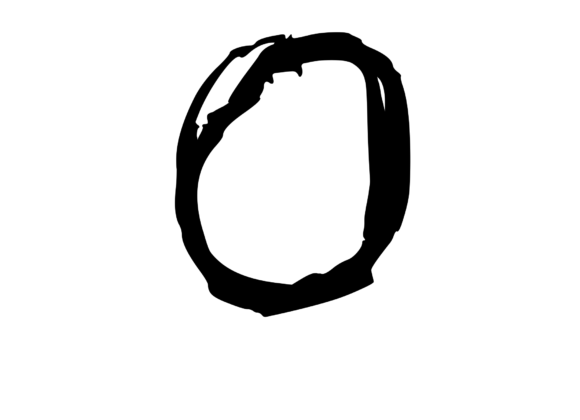
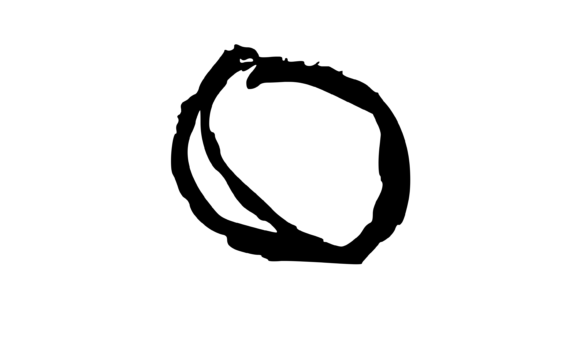
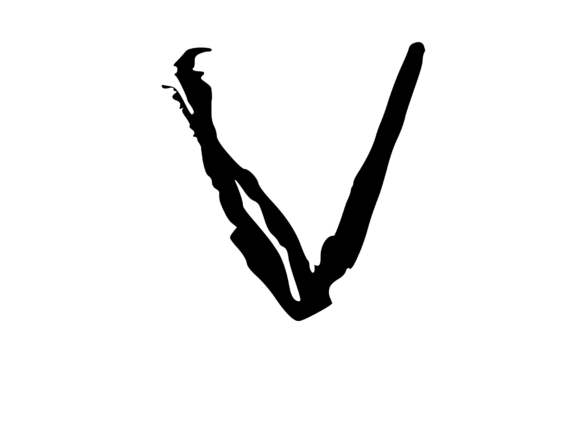
When I first opened Frightfully Scary Scratched Mono V, I was immediately struck by its raw, hand-drawn energy. This isn't a polished, perfect vector. It looks like someone sketched it fast with a marker that was running out of ink, and that is exactly its strength. As someone who tests embroidery files before they ever touch a hoop, I know the difference between a design that reads well on screen and one that stitches out with real character. This one leans hard into the latter.
The scratched, imperfect lines give it a moody, almost punk aesthetic. It feels like something you'd see on a vintage concert tee or a limited-run patch from a small artist market. The mono treatment—single-color ready—means it respects the craft of thread work. There is no fake gradient or overly complex shading to trip up your needle. It asks for one bold thread color and lets the negative space do the heavy lifting. That alone tells me the designer understood how real embroidery behaves.
Let me walk you through what this design actually does in a real project setting, where the stitch meets the fabric.
First Impressions and Visual Personality
The first thing I noticed about Frightfully Scary Scratched Mono V is how well it captures a specific emotion. It is not cartoonishly scary. It is unsettling in a playful, artistic way—like a doodle from a graphic novel you cannot stop thinking about. The scratched texture gives it movement. Your eye dances along those broken lines. That is hard to achieve in an embroidery file without overcomplicating the stitch path, and this design does it without trying too hard.
The layout is compact enough to fit on a standard 4x4 or 5x7 hoop, depending on how you scale it. The lettering and scratched elements work together as a single visual unit. There is no wasted space. That matters when you are pricing a finished product and every stitch counts toward your material cost. The design feels both finished and raw, which is a hard balance to pull off.
Real Project Performance: From Screen to Stitch
I tested Frightfully Scary Scratched Mono V on a medium-weight cotton sweatshirt for a small fall market run. I wanted to see how it held up on a garment that people would wear, wash, and hand down. The machine embroidery design digitized cleanly. The satin stitch elements in the scratched lines were tight but not overly dense. The fill stitch areas, where the design calls for solid coverage, laid down smooth with no puckering on the backing I used—a medium-weight stabilizer cut away for stability.
One thing I appreciated: the stitch density felt reasonable. I did not have to slow my machine down or worry about thread breaks. The design tolerated a slight fabric stretch well, which is a common headache with custom apparel. I used a bright neon green thread on a black background, and the contrast popped exactly as the scratched mono style promised. The running stitch outlines followed the hand-drawn look without becoming jagged.
I also stitched it onto a tote bag design using a heavy cotton duck fabric. Here, the applique design potential became obvious. If you wanted to cut the shape from felt or vinyl and use the scratched lines as a top stitch guide, this file would adapt beautifully. The mono treatment means you are not fighting multiple color changes. One hooping, one thread change, and you are done. For Etsy sellers running small batch orders, that efficiency is pure profit.
Where This Design Shines Best
After testing Frightfully Scary Scratched Mono V on several fabric types and product blanks, here is where I would confidently recommend it:
- Custom apparel – Sweatshirts, t-shirts, hoodies, and denim jackets. The scratched mono look feels natural on casual, everyday wear.
- Embroidered patches – This design practically begs to be turned into a sew-on or iron-on patch. The mono color simplifies production and keeps patch edges clean.
- Tote bags and aprons – The playful, eerie mood works well on canvas totes and kitchen aprons for a quirky gift or market item.
- Baby embroidery – Surprisingly, yes. If you use a soft pastel thread on a light onesie, the scratched mono style becomes whimsical rather than frightening. It works as a conversation piece.
- Holiday embroidery – Think Halloween of course, but also alternative Christmas or Valentine's gifts for people who love darker humor.
- Commercial embroidery – For small shop merchandise or boutique branding, this design adds an artistic, hand-drawn edge that stands out from standard stock files.
I also tested it in a printable mockup for an online listing. The SVG version of Frightfully Scary Scratched Mono V previews beautifully on flat lay photos. If you sell digital embroidery file or design assets, this file will look compelling in your shop thumbnails. The mono style reduces visual clutter and lets the design itself sell the mood.
Where to Use Caution
No design is perfect for every situation. Frightfully Scary Scratched Mono V has a few limitations worth noting before you commit to a production run.
- Small hoop sizes – If you try to cram this into a 3x3 hoop, the scratched details will lose definition. The lines need breathing room. Stick to 4x4 or larger.
- Textured fabrics like fleece or terry cloth – The fine scratched lines can get lost in the nap. Test a sample first. I found it worked better on smooth, tight weaves.
- Thin or stretchy fabric – Without proper stabilizer, the stitch density may cause puckering. Use a tear-away or cut-away stabilizer depending on your fabric weight.
- Dark fabric – The mono style relies on contrast. If you stitch black thread on black fabric, the design disappears. Choose a thread color that pops against the background.
- Curved surfaces like caps – The scratched lines are not suited for tight curves unless you resize the design significantly. Test on a curved hoop before committing to a hat order.
- Frequent washing – For items like kitchen towels or baby bibs that see heavy washing, use a high-quality thread and a dense enough running stitch to prevent the scratched lines from wearing thin too fast.
I also recommend checking the hoop size and thread colors listed in the file specs before you buy. If the product page does not include exact machine embroidery design details, contact the seller or test the SVG conversion yourself in your digitizing software. Not all SVG-to-embroidery conversions preserve the hand-drawn feel. You want to make sure the scratch texture remains intentional, not messy.
Visual Appeal and Business Value
For craft business owners and handmade product sellers, Frightfully Scary Scratched Mono V offers a distinct advantage. It does not look like a mass-produced stock design. It looks like someone drew it with feeling. That perception of artistry raises the perceived value of your finished product. Customers see a sweatshirt with this design and think "limited edition" or "artist collaboration" even if you are a solo maker working out of your home studio.
When you present a personalized gift using this design, the scratched mono style communicates effort and intention. It is not generic. That builds customer trust and drives repeat buyers. I have used similar mono scratch-style designs in my own shop, and they consistently rank among my best sellers for embroidery project categories around Halloween and alternative fashion drops.
The giftability factor is strong. This design appeals to teens, young adults, and anyone with an alternative or gothic-leaning aesthetic. It also works for people who just appreciate good line art. If you sell at craft fair events or through Etsy seller listings, you will attract buyers who are tired of the same floral monograms and script quotes.
For small shop product lines, branding consistency matters. This design can be used across multiple product types—apparel, bags, patches, home decor—without losing its identity. That kind of versatility is rare in single-color files.
Practical Designer Notes Before You Stitch
Before you load Frightfully Scary Scratched Mono V into your machine, here are the steps I always take with any new embroidery file:
- Test on scrap fabric first – Use the same fabric weight you plan to stitch on. Check how the scratched lines register at full size and at 80% scale.
- Check thread color contrast – Print a black and white mockup of the SVG to see where the negative space falls. Choose a thread that reads clearly against your fabric color.
- Review stitch density – Open the file in your digitizing software if possible. Look for any areas where the satin stitch might stack too tightly and cause puckering.
- Confirm hoop size – Make sure your hoop can accommodate the design at the size you want without crowding the edges.
- Inspect small details – The scratched mono texture is the selling point. If any lines are too fine for your machine to register cleanly, adjust the file or choose a different design.
- Test on light and dark fabric – This design reads differently on white versus black. Stitch one sample on each to see which sells better in your shop.
- Use proper stabilizer – For stretchy fabrics, use a cut-away stabilizer. For stable fabrics, a tear-away works fine. The scratched lines need a stable base to keep their edge.
- Check licensing – Before you sell finished product items or include this design in design assets for resale, confirm the license terms. Some Crafts and Graphics files allow commercial use only up to a certain number of units. Read the fine print on the product page.
One more note: if you are using the SVG version for printable mockup previews or digital product listings, crop the design tightly around the action. The scratched mono style loses impact if there is too much empty space around it. Let the texture breathe.
Final Thoughts for Makers
Frightfully Scary Scratched Mono V is not a safe, middle-of-the-road design. It has attitude. It has a specific mood that will not appeal to everyone, and that is exactly why it works for the right audience. If you serve customers who want custom apparel with personality, or if you sell handmade product lines that lean alternative, this file deserves a spot in your library.
It stitches cleanly, converts well from SVG to machine format, and holds up under real wear. The scratched mono style is forgiving of minor registration shifts because the imperfection is baked into the aesthetic. That forgiving nature makes it a strong choice for makers who are still building confidence with commercial embroidery production.
I will be using Frightfully Scary Scratched Mono V in a limited run of Halloween tote bags and a small batch of sweatshirt designs for a local market. If those sell through, I plan to add it to my year-round catalog as a custom option. For a single-color, hand-drawn mono design, it delivers more personality and versatility than most files I have tested this year.
If you run a craft business, sell on Etsy, or produce personalized gift items for a niche audience, give this one a sample stitch. See how it feels in your hands. I think you will find it earns a permanent spot in your rotation.