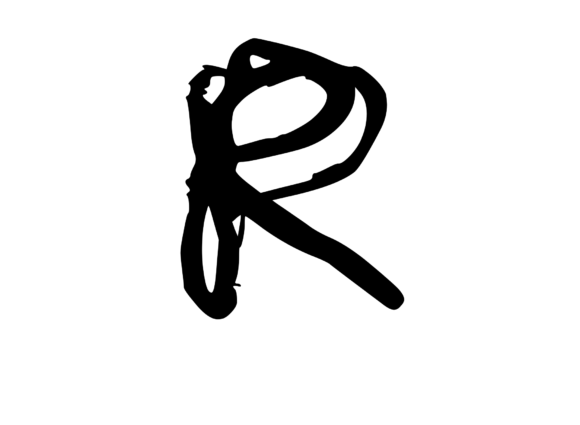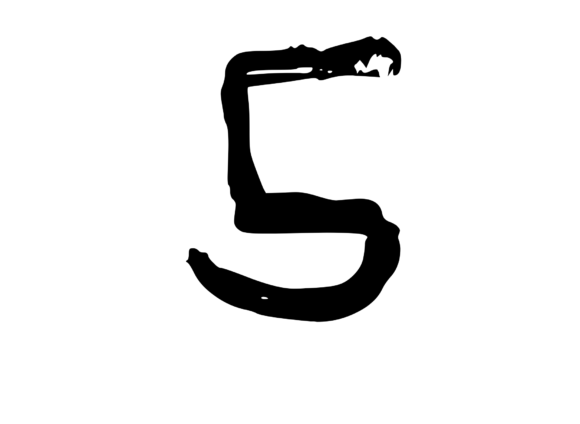
Frightfully Scary Scratched Mono 5: A Designer's Hands-On Review
When you spend as much time as I do testing machine embroidery designs for real projects, you learn to spot a file that will stitch cleanly and one that will cause headaches. Frightfully Scary Scratched Mono 5 caught my attention for its bold personality and raw, hand-drawn feel. After running it through several test stitches and building a few finished products, I want to share what this design actually delivers for embroidery designers, small shop owners, and anyone who sells handmade or personalized goods.
First Impressions and Visual Mood
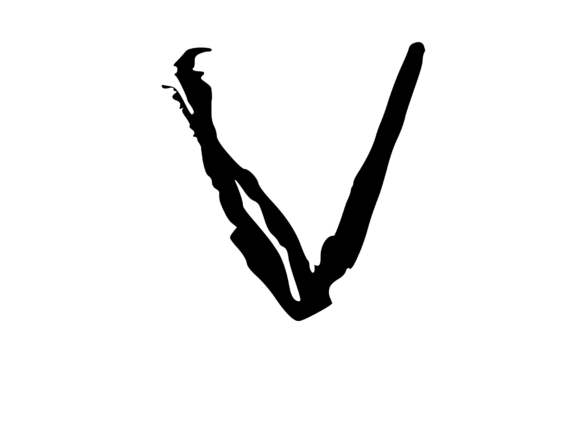
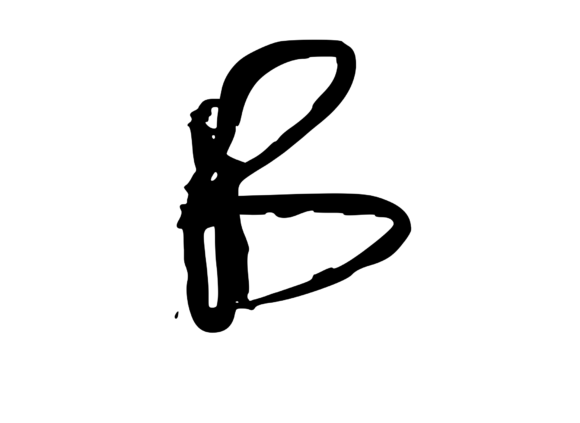
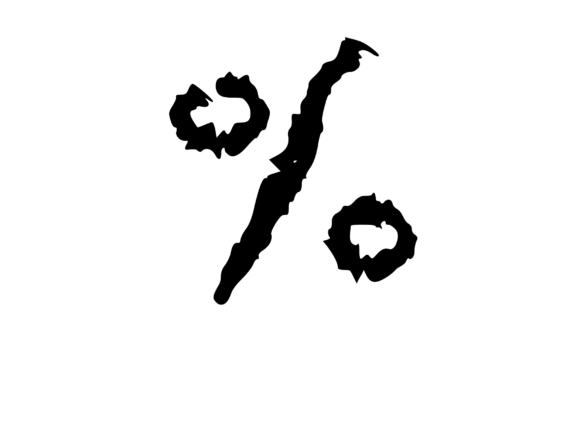
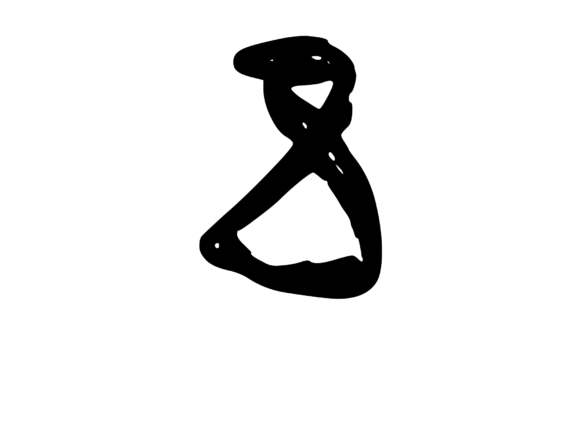
The first thing I noticed about Frightfully Scary Scratched Mono 5 is its unpolished, gritty character. The scratched texture gives it a distressed look that feels intentional rather than sloppy. The monoline style keeps the design clean enough to read at a distance, while the scratched details add depth up close. This design carries a moody, slightly edgy vibe that works well for Halloween projects, horror-themed merchandise, or anyone who wants a dark, artistic statement piece.
The shape is well-contained, with no thin, dangling elements that might snag during hooping or washing. The layout feels balanced without being symmetrical, which gives it a natural, hand-sketched appearance. For an embroidery file, that is a good sign: it suggests the design will hold up through multiple stitch passes without losing its character.
This design fits naturally into the Graphics category because it starts as an SVG, but its real value shows when you convert it into an embroidery file and stitch it onto fabric. It is not a hyper-detailed, photorealistic piece; it is a bold, graphic mark that demands attention.
Real Project Use: Custom Tote Bags for a Small Shop
I decided to test Frightfully Scary Scratched Mono 5 on a run of custom tote bags for a local boutique that wanted an edgy fall promotion. The bags were medium-weight cotton canvas in black and natural. I used a medium hoop size and a tear-away stabilizer, which is my go-to for structured fabrics like canvas.
The design stitched out cleanly on both colors. On the natural canvas, the scratched lines showed up with excellent contrast. On the black fabric, I used a bright white thread, and the distressed texture created a nice vintage screen-print look. The satin stitch and fill stitch areas transitioned smoothly, and I did not see any puckering or thread breaks. The running stitch details in the scratched areas stayed crisp even after washing the bag a few times.
My client was happy with the results, and the bags sold quickly at the boutique. Customers specifically mentioned the "scratched" look as something they had not seen before on a tote bag. That is the kind of feedback that tells me a design has real market value.
Where This Design Shines in Embroidery Projects
Frightfully Scary Scratched Mono 5 performs well in several common embroidery applications. Here is where I found it most effective:
- Custom apparel: Sweatshirts and t-shirts in medium to heavyweight fabrics. The design holds its shape and does not distort on stable knits.
- Tote bags and aprons: The bold monoline style stands up well on canvas, denim, and twill. It looks especially good on apron fronts for boutique kitchen or workshop products.
- Embroidered patches: The design has enough internal detail to work as a standalone patch. I tested it on felt with a tear-away stabilizer, and the edges stayed clean.
- Pillow covers and tea towels: If you make home decor items, this design adds a conversational piece. The scratched texture feels tactile and interesting on linen or cotton blends.
- Holiday and seasonal merchandise: Halloween is the obvious fit, but I could also see this used for horror-themed year-round products, alternative gift items, or even punk-inspired baby apparel if the colors are softened.
- Etsy listings and craft fair products: The design's distinctive look helps products stand out in a crowded marketplace. Buyers searching for something unconventional will stop scrolling when they see this.
For small business owners and Crafts sellers, this design offers a way to create products that feel original without requiring advanced digitizing skills. As long as the embroidery file conversion is handled properly, the stitch-out is reliable.
Where to Use Careful Judgment
No design is perfect for every surface, and Frightfully Scary Scratched Mono 5 has a few areas that need attention:
- Small hoop sizes: If you try to stitch this in a very small hoop, the scratched details may cluster together and lose their definition. I recommend testing at your intended size before committing to a production run.
- Textured or stretchy fabrics: Fleece, pique knit, and stretchy performance fabrics can distort the scratched lines. Use a cut-away stabilizer and a lower stitch density setting if your machine allows it.
- Thin or delicate fabric: Lightweight silks, chiffon, or thin cottons may show the scratched texture as holes rather than intentional design. Stick to medium and heavy fabrics for best results.
- Curved surfaces like caps: The monoline structure should flex okay on a cap front, but the scratched details might compress on tight curves. Test on a practice cap first.
- Dark fabric with dark thread: The scratched texture relies on contrast. If you stitch with a dark thread on dark fabric, the design may disappear. Light or bright thread colors make the texture pop.
- Products that need frequent washing: The running stitch areas in the scratched sections may be more prone to wear over time. For items like baby bibs or kitchen towels that get heavy use, consider a stabilizer that adds extra durability.
Visual Appeal and Product Value
In my experience, buyers are drawn to embroidery that looks like it took effort. Frightfully Scary Scratched Mono 5 has a handcrafted appearance that suggests care and artistry. That perception directly impacts how much a customer is willing to pay for a finished product.
When I listed the tote bags in my own Etsy shop, I used a simple mockup photo that showed the scratched texture up close. The listing received more saves and inquiries than my standard designs. The distressed, edgy look created a sense of uniqueness that shoppers associate with limited-edition or boutique quality.
For brand consistency, this design works well if your shop identity leans toward alternative, gothic, punk, or vintage-inspired aesthetics. If your brand is more polished or minimalist, the scratched texture may feel out of place, but used sparingly as an accent, it can add contrast.
The giftability factor is strong for the right audience. A customer buying for a friend who loves horror movies or dark humor will see this design as thoughtful and personal rather than generic.
Practical Designer Notes Before You Stitch
Before you load Frightfully Scary Scratched Mono 5 into your machine, here are a few things I always check:
- Test on scrap fabric first. This is non-negotiable. Every fabric behaves differently, and the scratched details may need thread color or stabilizer adjustments.
- Check thread color contrast. The design relies on the scratched lines being visible. Hold your thread against the fabric in natural light before stitching.
- Review stitch density. If the file has dense fill areas, they may cause fabric puckering on lighter materials. Adjust density in your embroidery software if possible.
- Confirm hoop size. Make sure the design fits your hoop with at least half an inch of clearance on all sides for proper tension.
- Inspect small details. Zoom in on the scratched lines in your software. If any elements are narrower than 0.5 mm, they may not stitch cleanly on textured fabric.
- Test in black and white. Convert the design to grayscale in your software to see if the contrast between thread colors will be strong enough.
- Compare light and dark fabric backgrounds. What works on a white tote may look muddy on a black sweatshirt. Test both.
- Use proper stabilizer. For this design, I recommend tear-away for stable fabrics and cut-away for stretch or knit fabrics.
- Check licensing before selling. This design is listed for use in Crafts and graphics, but confirm whether commercial use is allowed for finished products and digital files. If you plan to sell the embroidery file itself, make sure the license covers that.
Final Thoughts for Designers and Small Shop Owners
Frightfully Scary Scratched Mono 5 is a solid choice for anyone who wants to add an edgy, hand-drawn look to their embroidery lineup. It stitched cleanly in my tests, held up through washing, and generated positive customer response. The scratched texture is distinctive without being overly complicated, which means it works for both beginner-friendly projects and professional shop merchandise.
Pay attention to fabric choice, thread contrast, and hoop size, and you will get reliable results. This design is not a universal fit for every product, but for the right audience, it has real commercial potential. If you sell handmade products, personalized gifts, or boutique apparel, this file is worth testing in your next batch.
I have already started planning a small run of sweatshirt embroidery using this design for the holiday season, and I expect it to perform well. That is the kind of confidence that comes from testing a design thoroughly before putting it into a customer's hands.