Frightfully Scary Scratched Mono R: A Designer's Take
First Impressions and Visual Personality
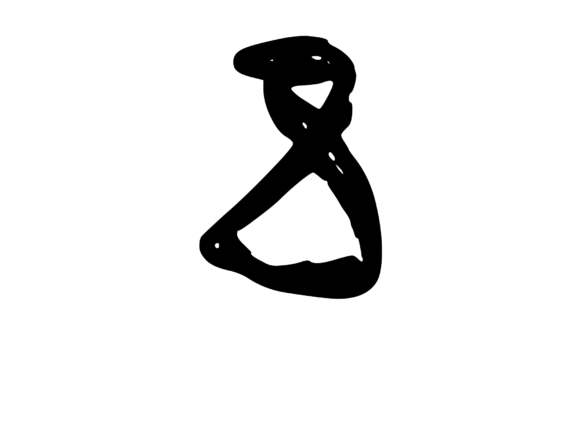
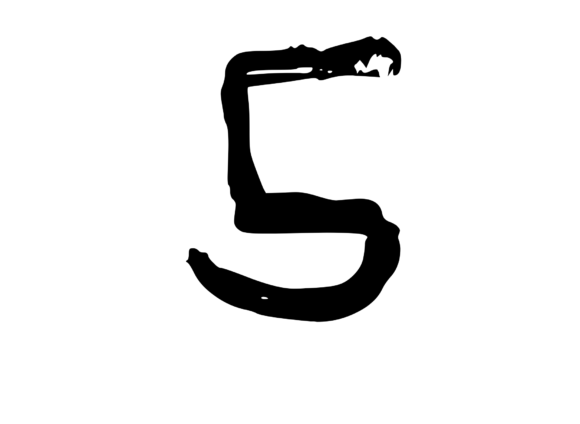
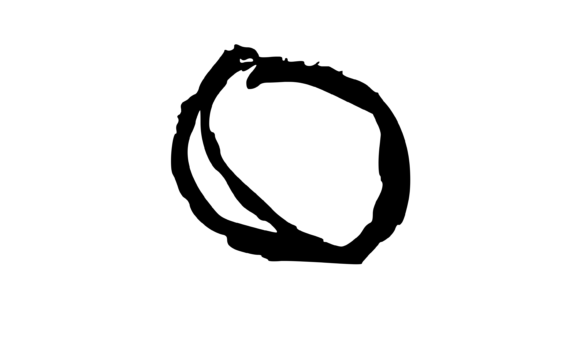
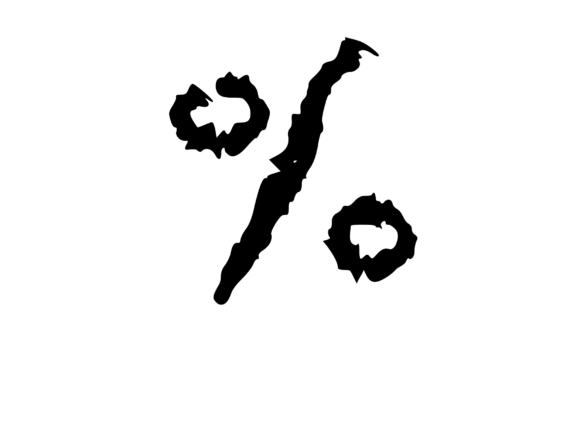
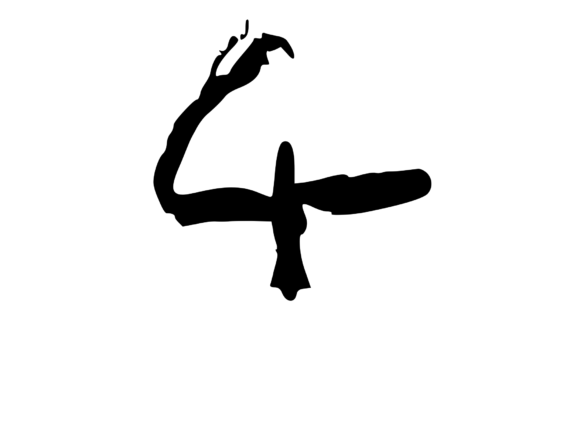
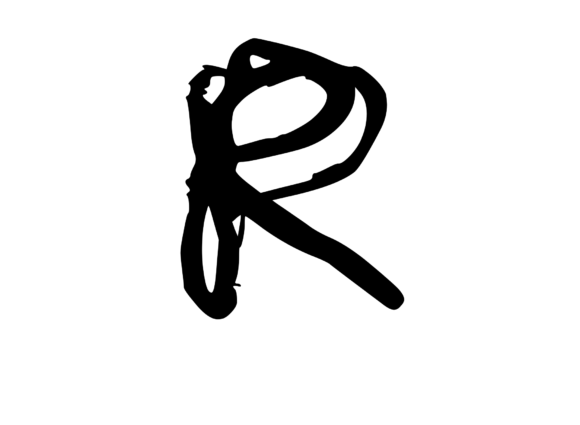
When I first opened Frightfully Scary Scratched Mono R, I was struck by its raw, hand-drawn energy. This isn't a polished, sanitized graphic. It has texture, grit, and a kind of rebellious charm that immediately made me think of punk aesthetics, horror-inspired apparel, and alternative market brands. The scratched, monoline look gives it a sketchbook feel, as if someone drew it in a hurry with a ballpoint pen that was running out of ink. That's exactly what makes it stand out.
For designers and crafters working in the machine embroidery design space, this kind of visual personality is valuable. It doesn't try to please everyone. It has attitude. And in a world where so many embroidery file options feel safe and generic, Frightfully Scary Scratched Mono R offers something different. It belongs on products that want to provoke a reaction, make someone smile nervously, or signal a darker sense of humor. Think Halloween market booths, horror fan conventions, alternative clothing lines, or edgy kidswear.
The design reads clearly at a moderate size, and the scratched effect translates surprisingly well to thread when planned carefully. As a digital embroidery file, it has potential, but it requires the right approach to stitch density and stabilizer choice to preserve that raw sketch quality.
Where This Design Shines in Real Projects
I recently used Frightfully Scary Scratched Mono R to prepare a custom embroidered tote bag for a local boutique that specializes in gothic and horror-themed gifts. The client wanted something that felt like a vintage horror movie poster, not a cartoon. We stitched it onto a heavy cotton canvas tote in black thread on a natural unbleached fabric. The contrast was striking. The scratched lines came through with exactly the right amount of imperfection, making the bag feel handmade and intentional.
This design works beautifully on custom apparel like sweatshirts and t-shirts, especially when you want that DIY, underground vibe. It also performs well as an embroidered patch stitched onto denim jackets or backpacks. For baby embroidery or nursery decor, I would approach it carefully, but for older kids and teens who love spooky themes, it has strong appeal. I can see it on pillow covers, kitchen towels for Halloween, and holiday embroidery projects aimed at the October market.
If you are an Etsy seller or small shop product creator, this graphic can be the centerpiece of a limited-edition drop. It has that collectible feel. The handmade product angle works well here because the design itself looks hand-drawn, so the finished item reads as artisanal rather than mass-produced.
What to Watch For Before Stitching
Let me be direct: Frightfully Scary Scratched Mono R is not a design you want to scale down drastically and stitch into a tiny hoop. The scratched lines, which give it so much character at a reasonable size, can turn into a muddy mess if you try to fit it onto a cap or a small patch that measures under three inches. The detail needs room to breathe. If you are working with small hoop sizes, test a scaled version on scrap fabric first and examine whether the scratches still read clearly.
Textured fabrics like fleece, terry cloth, or heavy knits can also blur the fine lines. I recommend sticking to smooth fabric texture options: cotton twill, linen, canvas, or high-quality sweatshirt embroidery blanks with a tight weave. On stretch fabric, use a cutaway stabilizer to prevent distortion. The scratched effect relies on clean running stitch and occasional satin stitch accents, so any stretching or puckering will compromise the look.
For dark fabric, you need high-contrast thread colors. White, neon green, or metallic silver will make the design pop. Dark thread on dark fabric will kill the scratched effect entirely. I also suggest testing a black-on-black version if you want a subtle tone-on-tone look, but be prepared for reduced visibility.
If you are layering this design onto curved surfaces like caps, the geometry of the scratches may warp. Consider using a lightweight backing and a floating technique to keep alignment precise. For products that need frequent washing, such as aprons, tea towels, or baby bibs, use high-quality thread and a dense enough stitch density to prevent fraying, but not so dense that the scratched effect becomes a solid block.
Practical Notes from the Worktable
Before I commit any embroidery project to production, I run a few tests. Here is what I did with Frightfully Scary Scratched Mono R, and I recommend you do the same.
- Test on scrap fabric first. I used a piece of medium-weight cotton twill to see how the scratched lines registered. The result was promising, but I noticed that the lightest scratches needed a slightly higher stitch count to remain visible after washing.
- Check thread color contrast. I recommend creating a black-and-white mockup before stitching. If the design disappears against the background in a digital preview, it will be even harder to read in thread.
- Review stitch density. The scratched effect works best with a mix of running stitch and fill stitch areas. If your embroidery software shows overly dense sections, reduce the density slightly to keep the fabric soft and the design breathable.
- Confirm hoop size. For the best result, use a hoop that allows at least half an inch of clearance around the design. Cramming it into the smallest possible hoop increases the risk of registration errors.
- Inspect small details. The scratches are the star of this design. If any thin lines are lost during digitizing, the overall effect weakens. Ask your digitizer to preserve the raw, uneven quality of the scratches rather than smoothing them out.
- Test on light and dark backgrounds. I stitched it on white, natural, black, and dark green fabrics. The light backgrounds worked best with dark thread. On dark backgrounds, I used bright thread and increased the underlay slightly to give the stitches more presence.
- Use proper stabilizer. For a design with fine lines and open areas, a medium-weight cutaway stabilizer is your friend. Tear-away can shift during stitching, which will distort the scratched lines.
- Check licensing before selling. Since Frightfully Scary Scratched Mono R is listed under Graphics and Crafts, confirm whether your license covers commercial embroidery and finished products. Some design assets allow unlimited commercial use, others restrict the number of items you can sell. Always read the terms.
Commercial and Business Considerations
If you run a craft business or sell on platforms like Etsy, Frightfully Scary Scratched Mono R can be a strong addition to your product lineup. It appeals to a specific but loyal audience: people who want something that feels authentic, slightly dark, and not overly cute. That niche is often underserved in the embroidery world, where floral and script designs dominate.
For personalized gift applications, this design works best when the recipient has a known interest in horror, alternative culture, or Halloween. I would not recommend it as a generic gift option, but for the right customer, it creates a strong emotional connection. It also makes for excellent printable mockup content if you sell design assets or digital products. The scratched style photographs well and gives your product photos a distinct, memorable look.
When it comes to brand consistency, this design fits perfectly into an edgy or rebellious brand identity. If your shop sells items with phrases like "Stay Spooky" or features skulls, bats, or gothic fonts, Frightfully Scary Scratched Mono R will feel like a natural extension of your line. For apparel decorators who work with bands, festivals, or alternative clothing lines, this graphic is a strong option.
One thing I appreciate about this design is how it supports handmade presentation. It does not look like a stock graphic that everyone else is using. It has character. When a customer receives a sweatshirt or tote bag with this embroidery, they can tell someone made an effort to choose something distinctive. That builds customer trust and encourages repeat purchases.
For boutique branding and small-run merchandise, this design offers a high perceived value. The scratched, imperfect lines suggest artistry rather than automation. In a market where many products look the same, that difference matters.
Final Thoughts Before You Stitch
Frightfully Scary Scratched Mono R is not a design for every project, but when it fits, it fits well. It rewards careful planning and thoughtful material choices. If you rush it onto a difficult fabric or scale it too small, you will lose what makes it special. But if you take the time to match it with the right product, thread, and stabilizer, it will deliver a finished item that feels original, confident, and handmade in the best sense of the word.
I have used it in my own work, and I have seen how customers respond to it. They notice the texture. They ask about the design. That kind of engagement is exactly what small business owners and designers need. Whether you are creating a limited run of tote bags, a seasonal collection of holiday embroidery items, or a single custom piece for a client, this graphic has the personality to carry the project.
As always, test before you commit. Check your thread colors against your fabric, review your stabilizer choice, and confirm your hoop size. If you do that, Frightfully Scary Scratched Mono R will serve you well, both as a creative tool and as a commercial asset.