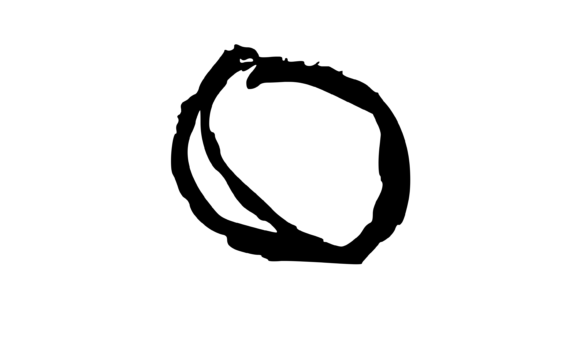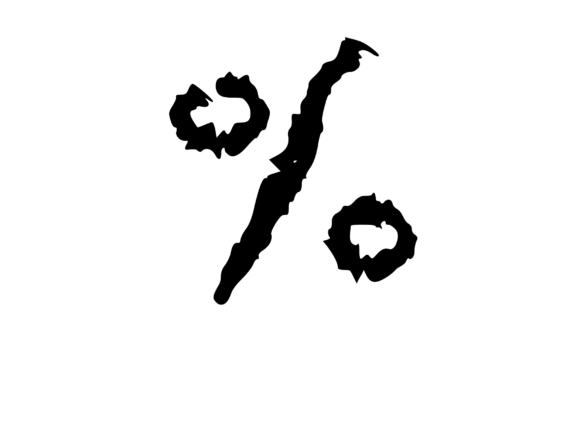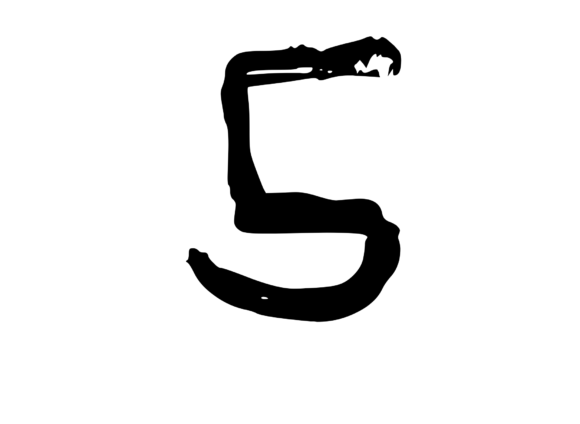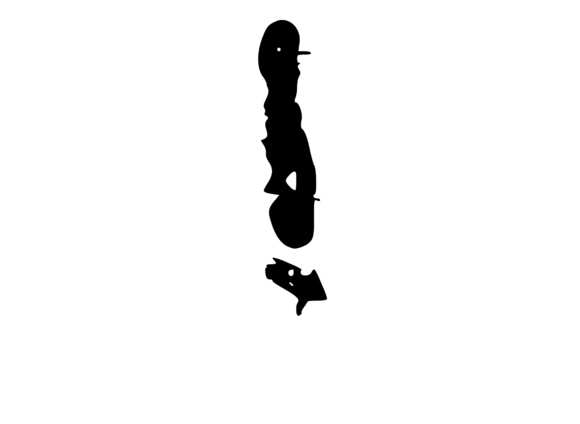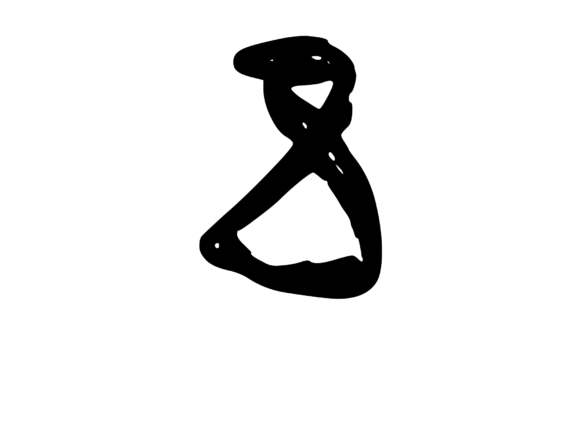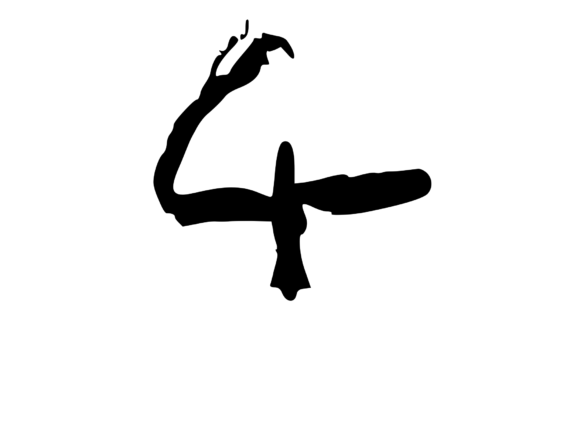
Frightfully Scary Scratched Mono 4
When I first opened Frightfully Scary Scratched Mono 4, I was immediately struck by its personality. This isn’t a clean, polite monogram that sits quietly on a towel. It has grit. It has texture. The scratched, distressed treatment gives it a raw, hand-worn feel that reads as both deliberate and durable. As someone who has tested hundreds of embroidery files for real client work, I can tell you right away: this design has a clear point of view, and that makes it valuable for makers who want their finished products to feel intentional rather than generic.
The monogram structure keeps it readable and functional, while the scratched overlay adds a layer of visual interest that separates it from standard lettering. It feels like it belongs on something that gets used—a shop apron, a weekend jacket, a canvas tote that carries tools or groceries. It’s not fussy. It’s not precious. It’s the kind of design that makes a product look like it has a story.
First Impressions and Design Personality
The scratched mono format is bold without being overwhelming. The distressed lines create movement and depth, but they don’t clutter the letterform. In embroidery, that balance is critical. A design that looks good on screen can turn into a muddy mess once it’s stitched if the detail is too fine or the density is too high. Frightfully Scary Scratched Mono 4 avoids that trap because the scratches feel like deliberate accents rather than random noise. They follow the shape of the letter, which helps the eye read the monogram clearly even with the distressed treatment.
The mood here is unmistakably Halloween-adjacent, but it doesn’t scream “costume.” It leans more toward dark, rustic, or industrial aesthetics. That means it works for seasonal products, but it also works year-round for brands that lean gothic, vintage, or edgy. If you sell to customers who love horror, punk, or dark minimalist style, this design fits naturally into their world.
Real-World Testing on a Custom Tote Bag
I tested Frightfully Scary Scratched Mono 4 on a heavy cotton canvas tote bag for a small shop preparing for a fall market. The shop owner wanted something that felt handcrafted but still sharp enough to sell at a boutique price point. We chose a single dark thread color—an oxidized silver gray—on a black bag. The contrast was subtle but readable, and the scratched texture became more apparent as the light hit the stitches.
The tote bag scenario is a great test for any embroidery design because canvas has a loose weave and a bit of natural texture. The design held up beautifully. The satin stitch areas stayed crisp, and the scratched lines translated well as a combination of running stitch and short fill segments. I did notice that the smallest scratch details could blur if the fabric shifted during hooping, so I made sure to use a firm cutaway stabilizer and a tight hoop tension. Once those adjustments were in place, the stitching came out clean and the distressed effect looked intentional rather than sloppy.
I also tested it on a prewashed cotton sweatshirt, and that’s where the design really shined. The soft fleece backdrop absorbed the thread nicely, and the scratched mono had an almost vintage screen-printed feel. Several people who saw the finished sweatshirt asked if it was a heat transfer or a direct-to-garment print. That kind of reaction tells me the embroidery file is doing its job—it looks like a premium finish, not a mass-produced decal.
Best Applications for This Embroidery File
Based on my testing, Frightfully Scary Scratched Mono 4 performs best on products that benefit from a rugged or vintage vibe. Here is where I would confidently recommend using it:
- Custom apparel: Sweatshirts, hoodies, t-shirts, and denim jackets. The distressed look pairs well with casual, lived-in fabrics.
- Tote bags and canvas goods: Shopping totes, tool bags, and beach bags. The design feels sturdy enough for high-use items.
- Embroidered patches: The monogram format works well as a standalone patch for jackets, backpacks, or caps.
- Aprons and workwear: For coffee shops, bakeries, or workshops, this design adds character without being too playful.
- Pillow covers and home decor: On linen or cotton blends, the scratched mono brings a subtle gothic or rustic accent to a room.
- Holiday and seasonal products: Halloween, fall markets, and gift items for customers who love darker aesthetics.
I also see strong potential for Etsy sellers who offer personalized monogram products. The scratched treatment gives a standard monogram an edge that stands out in a crowded search feed. Buyers looking for something less traditional will gravitate toward this style.
Where to Use Careful Judgment
No design is perfect for every surface, and Frightfully Scary Scratched Mono 4 has a few limitations that are worth noting before you commit to a production run.
Small hoop sizes and tiny lettering: If you try to scale the design down to fit a cap front or a small sleeve area, the scratched details may compress into an unreadable blur. I recommend testing at your intended size on scrap fabric before stitching final products. If the monogram needs to be under two inches tall, consider whether the distressed lines will still read as texture or just look like thread tangles.
Stretchy or lightweight fabrics: T-shirts with high spandex content or very thin jersey can distort the stitch placement, especially in the scratched areas where short stitches change direction frequently. A floaty mesh or tricot stabilizer becomes essential here. On very delicate fabric, I would actually avoid this design unless you are prepared to do a test stitch and possibly simplify the file.
Dark fabrics with dark thread: The scratched effect relies on contrast to be visible. If you stitch with black thread on black fabric, the texture may disappear entirely. I recommend testing a light or metallic thread on dark grounds, or sticking to medium-tone fabrics where the scratches can cast a subtle shadow.
Curved surfaces like caps: A tightly curved cap brim can distort the monogram’s symmetry. The scratched lines may pull unevenly, making the design look crooked. If you do stitch it on a cap, use a curved hoop or a cap frame, and reduce the design size to fit the front panel without stretching.
How This Design Affects Product Value and Customer Trust
For small business owners and handmade product sellers, every design decision affects how customers perceive your work. Frightfully Scary Scratched Mono 4 communicates a specific aesthetic: it says you pay attention to detail, you are not afraid of texture, and you understand that finished products should feel personal rather than mass-produced. That kind of perception builds trust. Customers who buy a monogrammed tote or sweatshirt with this design are getting something that looks like it was chosen with intention, not pulled from a generic catalog.
The distressed treatment also adds a layer of authenticity to handmade products. In an era when print-on-demand and heat transfers dominate, embroidery with visible texture signals real craftsmanship. Buyers are willing to pay more for that. If you list this design on an Etsy shop or at a craft fair, the scratched mono elevates the product from basic to boutique.
From a brand consistency standpoint, this design works well for shops that specialize in gothic, vintage, or rugged themes. It reinforces the same mood across multiple product categories—apparel, bags, home goods—without needing to change the core visual identity. For creative entrepreneurs who sell design assets, this file also works as a printable mockup element. You can use it to create preview images for digital products, showing potential buyers exactly how the finished embroidery will look.
Practical Designer Notes Before You Stitch
Before you commit Frightfully Scary Scratched Mono 4 to a full production batch, take these steps to ensure clean results and happy customers.
Test on scrap fabric first. I cannot overstate this. The scratched lines behave differently on cotton canvas versus denim versus fleece. Stitch a sample with your chosen thread color and stabilizer combination, then evaluate the clarity of the monogram and the visibility of the scratches.
Check thread color contrast. Because the scratched effect is subtle, it requires enough contrast between thread and fabric to be noticeable. If you are stitching on a medium-gray sweatshirt, a dark charcoal thread may blend in too much. Consider a silver, white, or bright metallic thread to make the texture pop.
Review stitch density and hoop size. The product description says Frightfully Scary Scratched Mono 4 is a great choice for all artists, designers, and crafters, and that it works for SVG-based crafting as well as embroidery. However, specific stitch counts and hoop sizes are not provided in the listing, so I recommend opening the file in your embroidery software to inspect the density. If the scratched areas are very dense, you may need to reduce stitch count slightly for stretchy fabrics to avoid puckering.
Use proper stabilizer. For this design, a medium-weight cutaway stabilizer is a safe starting point. If you are stitching on stretchy or lightweight fabric, add a layer of tear-away or water-soluble topper to keep the scratched lines crisp.
Test in black and white mockups. Before stitching, render the design in black on a white background and white on a black background. This helps you see whether the scratched texture reads clearly at your intended size. If the detail blurs in a high-contrast simulation, it will only be worse in real stitching.
Confirm licensing for commercial use. Since this file is listed under Crafts and Graphics, it is likely intended for both personal and commercial projects, but always verify the license terms before selling finished products or using the design as part of a digital product bundle. If you plan to resell the embroidery file itself, check whether the license allows that. When in doubt, contact the designer directly.
The Bottom Line for Makers and Sellers
Frightfully Scary Scratched Mono 4 is a well-pitched design for anyone who wants their embroidery work to feel textured, moody, and intentional. It performs reliably on stable fabrics, adds genuine visual interest without overwhelming the product, and fits naturally into a range of categories from custom apparel to home decor. The scratched monogram format is versatile enough to work for both seasonal Halloween products and year-round dark aesthetic lines, which gives it strong shelf life for craft businesses.
I would recommend this design confidently to Etsy sellers, handmade shop owners, and apparel decorators who serve customers looking for something with a bit of edge. With proper stabilizer choice and a thoughtful thread color selection, the finished product will look like it cost more than it did—and that is exactly the kind of value that builds a loyal customer base.
If you are a creative entrepreneur building a brand around distinctive, high-quality embroidery, Frightfully Scary Scratched Mono 4 is worth adding to your design assets. It brings a voice to your products that standard monograms simply cannot match.