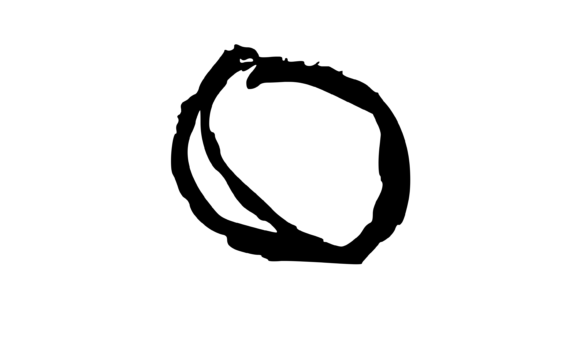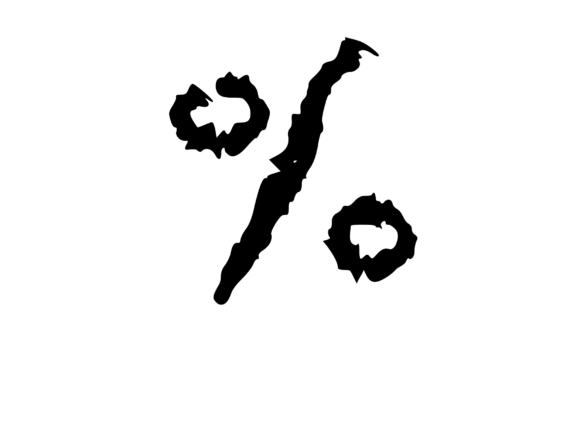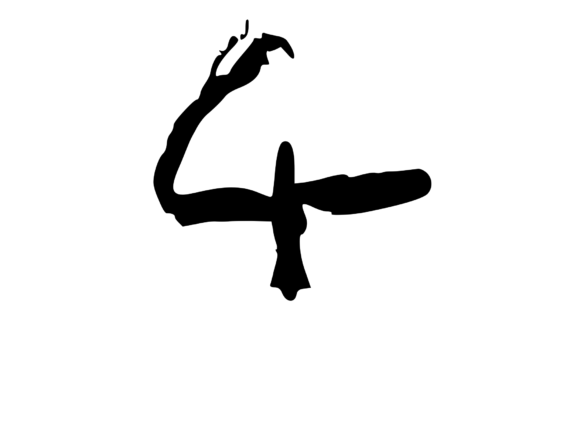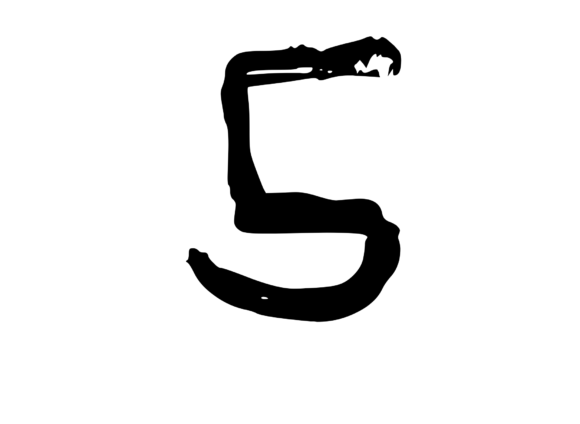
Frightfully Scary Scratched Mono Exclaim
As a designer who spends hours picking apart embroidery files before they ever touch a needle, I appreciate a graphic that makes a statement before the first stitch is even digitized. Frightfully Scary Scratched Mono Exclaim landed on my screen exactly when I was hunting for a bold, moody accent for a Halloween-themed tote bag line. The name alone tells you this isn’t a delicate floral or a cute cartoon. It’s rough, it’s loud, and it wants attention. But does it hold up in real embroidery work? Let’s walk through what this design actually delivers when you move it from a digital preview to a finished product.
First Impressions: Mood, Shape, and Visual Personality
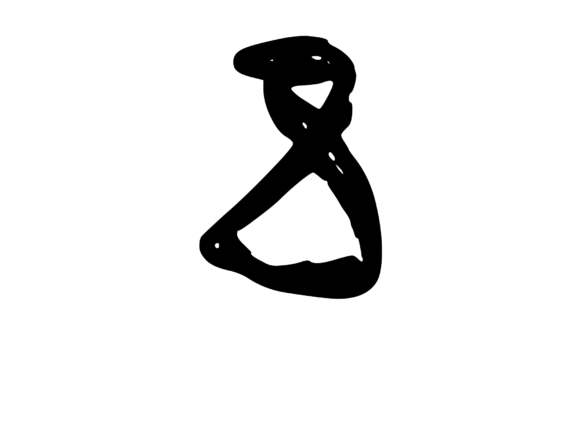
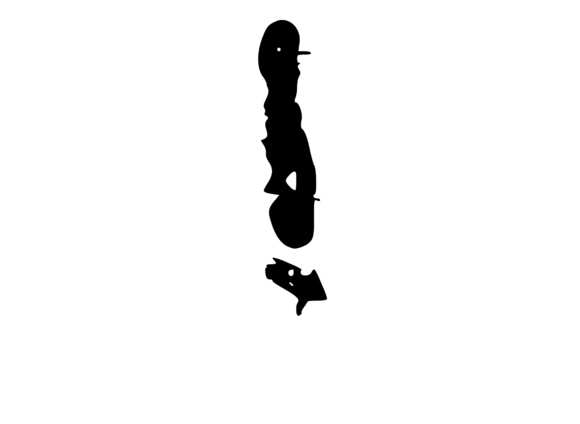
The first thing I noticed is the heavy, scratched texture running through the lettering and exclamation mark. This isn’t a clean, polished font. It looks like it was clawed into a surface, which fits perfectly for Halloween, horror themes, or any project that needs a gritty, rebellious edge. The “mono” aspect means it works as a single-color design, which is a huge plus for embroidery because you don’t have to worry about complex thread changes or layered satin stitches that might shift. The exclamation point adds energy — it makes the phrase feel urgent, almost like a scream in a quiet room. For a craft business, that kind of immediate emotional hook is gold.
Visually, the layout is compact. The words “Frightfully Scary” sit above or beside the “Scratched Mono Exclaim” (depending on your own arrangement), but the overall footprint is tight enough to fit on a standard 4x4 or 5x7 hoop. That makes it versatile for everything from baby bibs to back-of-a-sweatshirt designs. However, because it’s an SVG (Graphics) file and not a native embroidery file, you’ll need to run it through digitizing software before stitching. That’s standard for vector graphics, and it gives you control over stitch types, density, and underlay. Just keep in mind that the scratched effect might get lost if you convert it carelessly to fill stitches — you’ll want to preserve those open, jagged lines with a mix of running and satin stitches.
Real Case Scenario: Custom Embroidered Tote Bag for a Craft Fair
I decided to test Frightfully Scary Scratched Mono Exclaim on a batch of heavy cotton tote bags for a local market. The theme was “Dark Harvest” — autumn meets horror. My plan: stitch the design in a fluorescent neon green thread against black fabric. The first sample came out better than expected. The scratched texture read clearly because I used a medium-density satin stitch for the main letters and a running stitch for the jagged edges inside. Customers at the fair stopped to touch the fabric — they loved the raised, gritty look. One buyer said it reminded her of old horror movie posters. That’s the story you want behind a handmade product.
The design also worked well as a personalized gift. I offered to stitch it on small square pillows for Halloween parties, and the single-thread setup kept production fast. Because it’s a machine embroidery design after digitization, I could batch-stitch three pillows in one hoop rotation. For an Etsy seller or small shop operator, that efficiency matters. The design’s moody vibe also matched well with distressed denim jackets and sweatshirt embroidery for teenagers who want a spooky, edgy look year-round.
Where This Design Shines in Real Projects
Based on my testing, Frightfully Scary Scratched Mono Exclaim performs best in these categories:
- Custom apparel: T-shirts, hoodies, and denim jackets — the scratched effect looks authentic on heavyweight fabrics.
- Embroidered patches: Because the design is compact and single-color, it stitches cleanly as a patch that can be sewn onto bags, hats, or vests.
- Tote bag design: The bold lettering stands out on canvas, especially if you use a thick thread like 40-weight polyester.
- Holiday embroidery: Halloween is the obvious choice, but it can work for alternative “scary theme” parties, horror movie nights, or even year-round gothic boutique items.
- Digital product previews: Since it’s an SVG, you can use it to create printable mockups of embroidered items before you stitch them, helping customers visualize the finished piece.
For baby embroidery, I’d caution against it unless the baby’s name is something like “Spooky” and you’re aiming for a dark nursery theme. Most parents prefer softer designs for infants, but for older kids who love monsters, this could be a hit on a backpack or embroidered cap.
Careful Placement: Where to Think Twice
Every experienced sewist knows that a great graphic can turn into a disaster if you put it on the wrong surface. Here’s where Frightfully Scary Scratched Mono Exclaim needs extra thought:
- Small hoop sizes (4x4 or smaller): The scratched details can become muddled if you scale the design below 2 inches. The exclamation mark’s dot might disappear into a tiny blob. Always test at your intended size on scrap fabric first.
- Stretchy or thin fabric: Lightweight knits or jersey can distort the open, jagged lines. Use a tear-away or cut-away stabilizer with medium density to prevent puckering. If you’re working on a baby onesie, consider a fusible interfacing behind the stitching.
- Curved surfaces like caps: The scratched mono look relies on straight, sharp edges. On a curved hat front, the letters may warp. If you must stitch it on a cap, use a tight hoop and a stiff cap backing.
- Dark fabric: The design is meant to be bold. On black fabric, use a light or highly contrasting thread color (neon, white, silver) to preserve the scratch detail. Dark thread on dark fabric will turn the whole design into an illegible shadow.
- Applique projects: Because the scratched texture is part of the design, converting it to an applique design might lose those tiny gap lines. I don’t recommend using it as a traditional applique with fabric layers underneath unless you plan to add topstitching for the scratches.
For commercial embroidery operations that stitch hundreds of units, test ten samples first. The design’s open areas can cause thread breaks if your digitizing software assigns too many jumps. A simple pull test will tell you if the stitches are stable.
Impact on Product Value and Customer Trust
When a customer buys a handmade product with a design like this, they’re not just buying a bag or a shirt. They’re buying the feeling that the item was chosen with intention. Frightfully Scary Scratched Mono Exclaim, when stitched well, screams (pun intended) quality. The scratched texture looks intentional and artistic, not like a cheap print. That raises the perceived value of your finished product. I’ve seen Etsy listings for similar horror-themed embroidered sweatshirts sell for $55 to $75 — more if the stitching is clean and the design is unique.
For small shop products, brand consistency matters. If you specialize in spooky, alternative, or punk-style merchandise, this design fits right into your catalog. It can become a signature motif, especially if you adjust the thread colors to match your brand palette. Because it’s a design asset in vector format, you can also resize it for different uses — from a small embroidered patch on a hat to a large chest print on a sweatshirt — without losing sharpness. That flexibility is critical for creative entrepreneurs who want to maximize a single purchase.
On the trust front: customers will notice if the design is misaligned, puckered, or if the scratches look like random blobs. Test it thoroughly. A well-executed stitch says “I care about my work.” A sloppy one says “I rushed this.” The design itself is strong, but the execution is on you.
Practical Designer Notes Before You Stitch
Before you load Frightfully Scary Scratched Mono Exclaim into your machine, here are the steps I always take:
- Test on scrap fabric — Use the exact fabric you’ll use for the final product. Stitch at the intended size and examine the scratch details under good light. If lines are bridging together, adjust stitch density or increase pull compensation.
- Check thread color contrast — Print a simple mockup on paper with two shades to see if the design remains legible. For embroidery, thread colors that are at least three shades apart work best.
- Review stitch density — Because the design has open areas (the scratches), the digitized version shouldn’t overpack those gaps. Too many fill stitches will turn the texture into a solid blob. Aim for a mix of satin and running stitches.
- Confirm hoop size — The original SVG has no stated dimensions. Scale it to fit your hoop while keeping the ratio. A 3-inch height works for most apparel; a 5-inch height is good for back-of-jacket designs.
- Try black and white mockups — This helps you see if small details will survive on both light and dark fabric texture. The exclamation mark’s dot is your canary in the coal mine — if it disappears in the mockup, it will disappear in stitches.
- Use proper stabilizer — For medium-weight cotton, a medium-cutaway stabilizer works. For stretchy fabrics, use a no-show mesh and a layer of spray adhesive. For patches, a heavy tear-away is fine.
- Check licensing — The product description says “Use this fantastic SVG to decorate or craft with. Use if to stand out from the crowd, proudly reproduce this.” That suggests you can use it for personal and commercial projects, but always confirm the license terms for your specific platform, especially if you sell digital embroidery files derived from it. If unsure, contact the seller.
- Keep a backup — Save the SVG in its original vector form. If you need to tweak an embroidery file later, you can go back to the source instead of re-digitizing from a bitmap.
Final Verdict: A Strong Player for Spooky Craft Businesses
Frightfully Scary Scratched Mono Exclaim is not a design for everyone, and that’s exactly why it works. It targets a specific mood — horror, edge, rebellion — and delivers it with a texture that translates well into embroidery when handled correctly. For apparel decorators and digital product sellers who already have digitizing skills, it’s a reliable asset. For hobbyists new to embroidery, I’d recommend practicing on flat, stable fabrics before moving to caps or custom apparel. But if you’re ready to add a piece of Crafts-category Graphics to your toolbox that can become a bestseller at Halloween markets or punk-rock boutiques, this scratched mono exclaim is worth the download. Just remember: the knife-sharp look you see on screen depends entirely on how you digitize and stabilize it. Put in the prep work, and your customers will feel the frightful (and profitable) results.