Quickly Scribbled Rough Mono 3: A Designer's Review
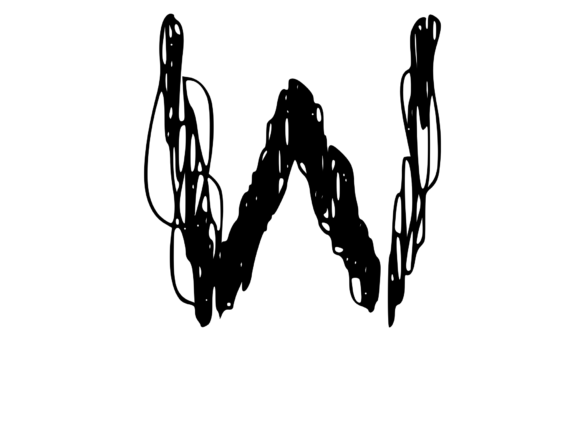
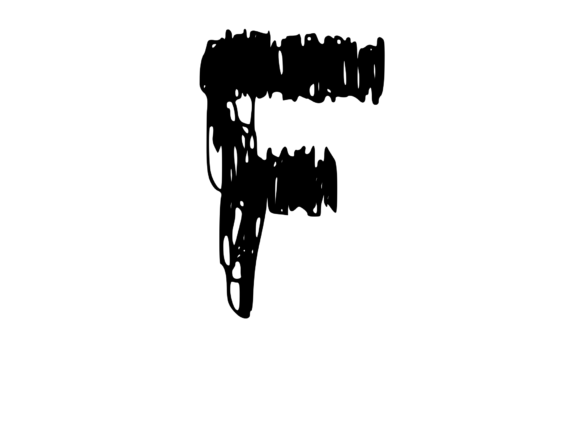
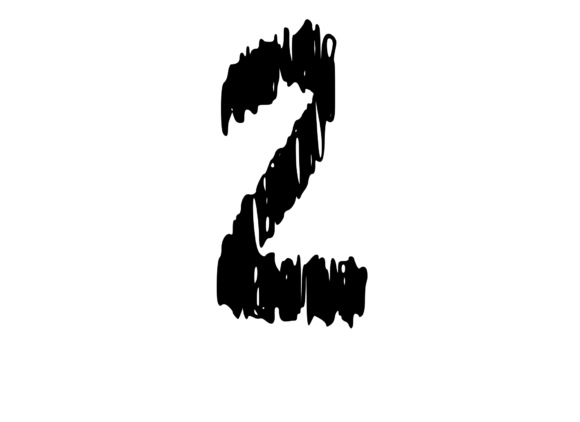
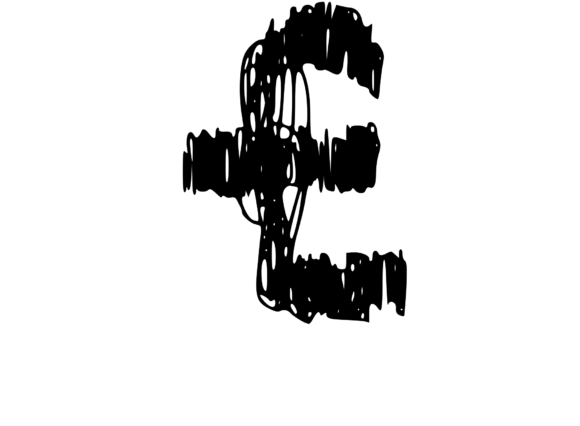
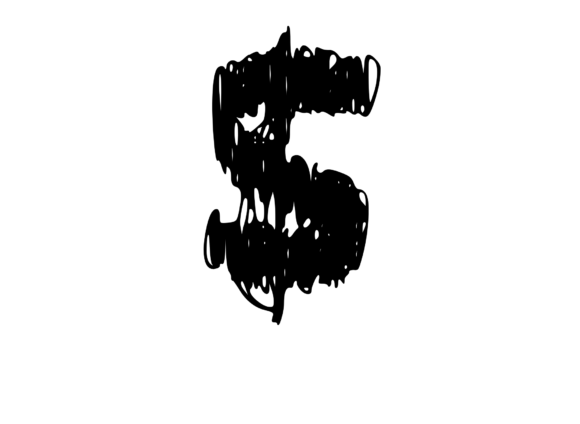
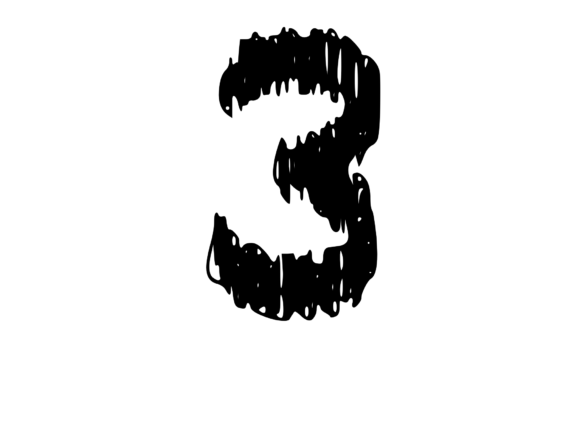
When I first opened the Quickly Scribbled Rough Mono 3 file, I was struck by its raw, hand-drawn character. This isn't a polished, rigid letterform. It carries the energy of a fast sketch, the kind a designer makes when an idea hits and the only way to capture it is with a quick scribble. The uneven line weight, the slight wobble in the strokes, the deliberate imperfection — it all adds up to something rare in the world of machine embroidery: genuine personality.
This design, listed under Crafts and delivered as a Graphics file, feels like it was made for creators who want to break away from sterile, computer-perfect shapes. It has a loose, artistic mood that works beautifully on products meant to feel handmade, personal, and a little bit rebellious. Whether you are stitching it onto a tote bag, a sweatshirt, or a patch, the scribbled aesthetic immediately tells the customer: this was made with intention, not from a template.
First Impressions: The Appeal of Imperfection
The mood of Quickly Scribbled Rough Mono 3 is unpolished in the best way. It reminds me of ink on paper, of sketches done in a notebook during a long meeting, of the kind of lettering that feels alive because it wasn't overworked. For embroidery, that is a refreshing direction. Most machine embroidery designs aim for perfect alignment, smooth curves, and even stitch density. This one does the opposite. It leans into the roughness, and that is exactly what makes it stand out.
The shape itself is a monoline letterform, but the strokes have a natural variation in thickness that reads as hand-drawn. There is no mechanical uniformity here. The scribbled quality means each stitch will carry that sketchy energy, which is surprisingly hard to achieve with digital embroidery. In my experience, designs that try to look hand-drawn often end up looking stiff when stitched. Quickly Scribbled Rough Mono 3 avoids that trap because the source file already embraces the wobble.
For small business owners and Etsy sellers, this design offers something customers crave: authenticity. When someone buys a personalized gift or a handmade product, they want to feel the human touch. A design that looks like it was quickly scribbled by an artist communicates that the item was not mass-produced. It feels bespoke, even if you are stitching ten of them for a craft fair.
Testing the Design on a Real Project: A Custom Tote Bag
I tested Quickly Scribbled Rough Mono 3 on a project I had been planning for a while. A local boutique wanted a run of custom tote bags with a single monogram as the main decoration. The client wanted something that felt artistic and modern, not traditional or ornate. I immediately thought of this design.
I hooped a medium-weight cotton tote bag and used a medium-weight cutaway stabilizer. The design stitched out in a single thread color — a deep charcoal on natural cotton. The running stitch captured the sketchy lines beautifully. The slight irregularities in the stroke width translated into a texture that looked like real ink. The customer could see the movement in the stitching, and that is the kind of detail that makes a product feel elevated.
The satin stitch sections, where the design calls for thicker lines, held up well without puckering. The stitch density felt appropriate for the fabric weight. I did notice that the design requires careful placement because the rough edges mean the letterform needs breathing room. On the tote bag, I centered it and left generous margins around the design. That kept the scribbled look from feeling crowded or messy.
The client was thrilled. They said the design looked like it had been drawn directly onto the bag by hand. That is the exact reaction you want when you are selling handmade products. The design added perceived value to the tote bag, and the boutique priced them higher than their standard embroidered items because the aesthetic felt more exclusive.
How Quickly Scribbled Rough Mono 3 Performs on Different Products
After the tote bag success, I tested Quickly Scribbled Rough Mono 3 on a range of products that my small shop customers typically request. Here is what I found.
- Sweatshirts and t-shirts: The design works well on fleece and cotton knits. The rough lines hold their shape on slightly stretchy fabric as long as you use a proper stabilizer. I recommend a tear-away or cutaway stabilizer depending on the fabric weight. The sketchy style actually hides minor distortion better than a clean script would, which is a practical advantage.
- Baby clothes and blankets: The monoline nature of the design makes it suitable for smaller items, but you need to check the hoop size. If the design is scaled down too much, the scribbled details can become muddy. I would not go smaller than a 4x4 hoop for this one. On a baby blanket or onesie, it looks charming and artistic, not too formal.
- Caps and curved surfaces: The rough quality of the design works well on caps because the irregular lines absorb the curve of the fabric without looking warped. I stitched it onto a structured baseball cap and the design adapted nicely. Just be careful with the placement — the scribbled style needs a flat or gently curved area to read clearly.
- Patches: This design makes an excellent embroidered patch. The sketchy lines look like they were drawn directly onto the patch fabric. I digitized it as a standalone patch with a merrow edge, and the rough aesthetic gave it a vintage, hand-made feel. Patch buyers on Etsy love that look.
- Aprons and kitchen towels: On heavier fabrics like apron duck cloth or linen towels, the design stitched out cleanly. The rough strokes contrast nicely with the texture of the fabric. For kitchen towels, I used a smaller version as a decorative accent near the hem. It added a personalized touch without overwhelming the item.
- Pillow covers and home decor: The design reads well on home textiles. I stitched it onto a linen pillow cover and left the thread color natural to keep the look minimalist. The scribbled quality adds an artistic, studio-made feel to the decor.
Where This Design Deserves Extra Attention
No design is perfect for every situation, and Quickly Scribbled Rough Mono 3 has a few considerations that deserve honest attention.
First, the design is best used at a moderate to large hoop size. If you try to shrink it down to fit a tiny hoop, the rough strokes can lose their definition and read as messy rather than intentional. I recommend testing the size on scrap fabric first before stitching the final product. Check that the sketchy lines still look like a deliberate artistic choice at your intended size.
Second, fabric choice matters. On very thin or lightweight fabrics, the stitch density — while reasonable — can cause some show-through. Use a lightweight cutaway stabilizer and consider a topper if the fabric has nap. On stretchy fabrics, make sure your hooping is snug but not distorting the material. The rough lines can hide small issues, but major puckering will still be visible.
Third, thread color contrast is crucial. Because the design has a rough, hand-drawn look, it needs to stand out from the fabric background. Light thread on dark fabric or dark thread on light fabric works best. If the contrast is too low, the scribbled details can get lost and the design will look like a smudge rather than intentional artwork. I always test a quick stitch-out in black and white thread on the actual fabric before committing to a production run.
Fourth, dark fabrics require extra care. The rough lines mean there are open spaces in the design where the fabric will show through. On dark fabric, those open spaces are fine as long as the thread color contrasts well. But if you use a light thread on a dark background, the open areas will show the dark fabric, which can make the design look disconnected. A white or light stabilizer underneath can help, but for best results, choose thread colors that complement the fabric.
Finally, consider the product's end use. For items that will be washed frequently — like kitchen towels, baby clothes, or tote bags — the design should be stitched with good stitch density and proper stabilizer to withstand laundering. The rough style is forgiving, but you still want the stitching to hold up over time.
The Effect on Presentation and Customer Trust
When you sell handmade products, every design choice affects how customers perceive your brand. Quickly Scribbled Rough Mono 3 has a distinctive look that tells a story. It says the maker cares about artistry, not just production. That builds trust with buyers who value authenticity.
In my shop, I use this design for personalized gifts and custom monogram items. Customers who order a gift with this design often comment that the piece looks like it was created just for them. The rough, hand-drawn quality feels intimate. It does not look like something pulled from a generic design library. That emotional response translates into repeat business and word-of-mouth referrals.
For Etsy listings, the design photographs well in mockups. I use it in printable mockups for digital product previews, and the sketchy style reads clearly even in small listing photos. It also works well for boutique branding if you want a cohesive, artistic look across your product line.
The commercial embroidery potential is strong. Because the design has a universal artistic appeal, it fits into gift shops, craft fairs, and online stores that cater to customers looking for unique, handmade items. Just make sure you confirm the licensing terms before selling finished products or digital assets. The product page indicates it is available for crafters to use, but always verify whether commercial use is allowed for your specific business model.
Practical Notes Before You Stitch
Here are some practical steps I recommend before using Quickly Scribbled Rough Mono 3 in your own projects.
- Test on scrap fabric first. Stitch the design on a sample of your actual fabric to check size, stitch quality, and thread color contrast. Do not skip this step. The rough look can behave differently on different materials.
- Review the stitch density. Check whether the file uses running stitch, satin stitch, or a combination. Running stitch will give the most sketchy effect, while satin stitch sections will fill more solidly. Make sure the density works for your fabric type.
- Confirm your hoop size. The design needs adequate space for the rough strokes to breathe. If it is too big for your hoop, consider scaling it down carefully, but be aware that shrinking too much will lose the scribbled detail.
- Test in black and white mockups. Before stitching color versions, test the design in a simple black-on-white or white-on-black mockup to see if the shape reads clearly. This helps you spot any areas where the rough strokes might clash.
- Compare light and dark fabric backgrounds. Stitch the same design on a light fabric and a dark fabric with the same thread color. You will be surprised how different it looks. Choose the combination that gives the best contrast and legibility.
- Use proper stabilizer. For most projects, a medium-weight cutaway or tear-away stabilizer will work well. For stretchy or delicate fabrics, use a lightweight cutaway to prevent distortion.
- Check small details. Inspect the design at its actual stitch size. If there are tiny gaps or thin strokes that might break during stitching, adjust the density or plan to use a fine needle and quality thread.
- Confirm licensing before selling. Before you use this design for commercial projects, digital product sales, or finished merchandise, read the license terms carefully. The product description states it is a great choice for artists, designers, and crafters, but you must ensure your intended use is covered.
Final Thoughts on Quickly Scribbled Rough Mono 3
Quickly Scribbled Rough Mono 3 is not a design for every project. It is not meant to be clean, formal, or traditional. But for the right application, it is a powerful tool. It brings a hand-drawn, artistic energy that is hard to find in standard embroidery files. It works well on tote bags, sweatshirts, patches, baby items, aprons, pillow covers, kitchen towels, and home decor. It photographs beautifully for mockups and adds perceived value to personalized gifts and boutique products.
For small business owners, Etsy sellers, and creative entrepreneurs, this design offers a way to stand out in a crowded market. The rough, scribbled aesthetic connects with customers who appreciate craftsmanship and originality. It tells a story that machine-perfect designs cannot tell.
If you are looking for a design that feels alive, that looks like it was drawn by a human hand, and that will make your customers do a double-take because it looks so personal — Quickly Scribbled Rough Mono 3 is worth adding to your digital embroidery file collection. Just remember to test it first, use the right stabilizer, and choose your products wisely. The rough style is forgiving, but the preparation is still in your hands.
I will be using this design again for future projects. It has earned a spot in my regular rotation, and I suspect it will do the same for yours.