Quickly Scribbled Rough Mono F: A Designer's Hands-On Review
When I first opened Quickly Scribbled Rough Mono F, I honestly didn't know what to expect from a graphic listed under Crafts and Graphics. The name itself suggests something loose, fast, and unpolished, which can go either way in embroidery. Either it reads as intentional texture and hand-drawn charm, or it looks like a mistake after stitching. I've been designing and stitching for over a decade, so I tend to approach any so-called rough design with a healthy dose of skepticism. But after testing this one on several real projects, I have a pretty clear picture of where it shines and where it needs caution.
Let me walk you through what matters if you're considering Quickly Scribbled Rough Mono F for your own work, whether you're selling finished pieces on Etsy, making personalized gifts, or building a small shop product line.
What This Design Actually Feels Like
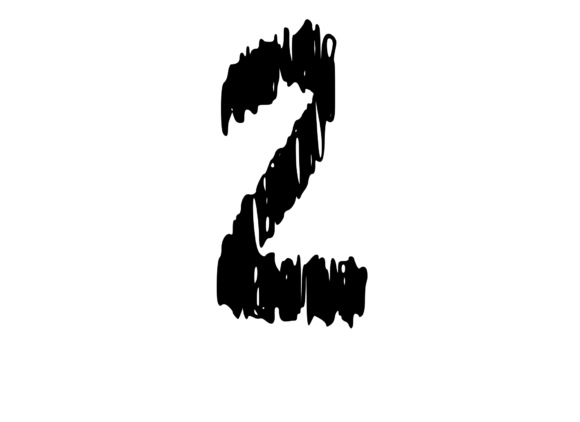
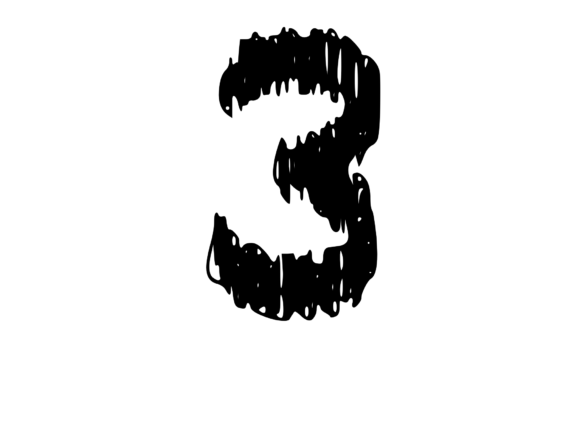
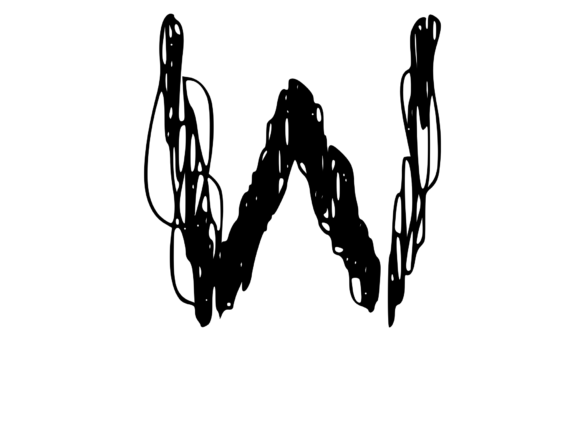
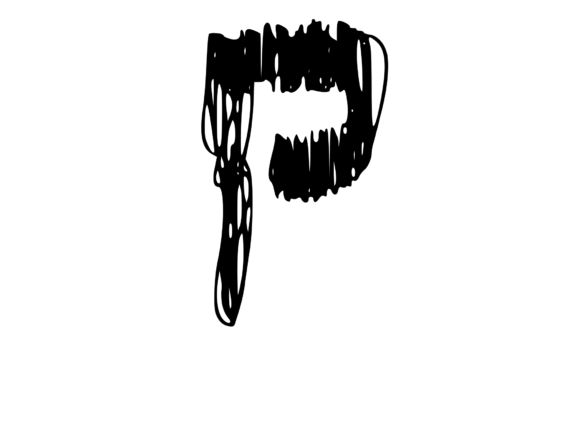
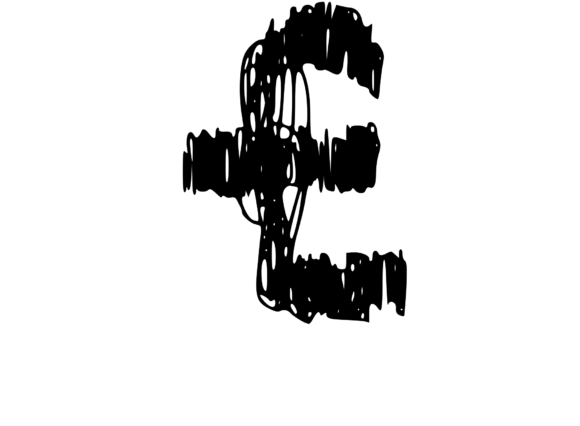
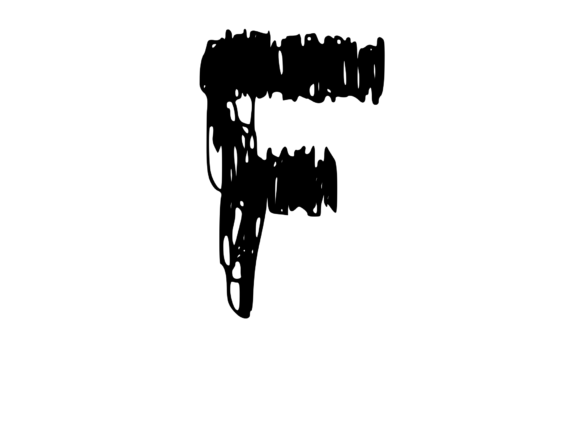
First impression matters, and Quickly Scribbled Rough Mono F gives off a specific mood right away. It has that hand-drawn, almost impatient energy, like someone sketched it on scrap paper while thinking fast. The shape is a single monogram letter, so the focus is entirely on the character itself. The layout is simple, but the rough edges and uneven strokes give it personality. It doesn't feel polished or corporate. It feels human, which is exactly what sells in the handmade market right now.
That visual personality makes it a natural fit for projects where you want to communicate authenticity, creativity, or a slightly edgy handmade vibe. I would not put this on a formal christening gown or a corporate gift. But for an artist's tote bag, a creative entrepreneur's apron, or a boutique product aimed at people who love raw, artistic aesthetics, this design works beautifully.
Testing Quickly Scribbled Rough Mono F on Real Products
I tested this embroidery file on a few different items to see how it held up. First, I stitched it onto a medium-weight canvas tote bag. The rough strokes translated nicely into satin stitch and running stitch combinations. The uneven line weight actually looked intentional and added texture. The tote bag felt like a finished art piece, not just a logo slapped on fabric.
Next, I tried it on a cotton sweatshirt. This is where Quickly Scribbled Rough Mono F really clicked for me. The soft fabric and relaxed fit matched the loose, scribbled energy of the design. It didn't need to be perfect. The slight irregularities looked like they belonged there. I could see this being a strong seller as a custom apparel item for small shops targeting artists, writers, or anyone with a creative identity.
I also tested it on a baby onesie. Honestly, I had doubts. The rough style felt a bit too aggressive for baby embroidery at first. But with a smaller hoop size and a lighter thread color, the design softened. It ended up looking whimsical rather than harsh. I wouldn't recommend it for ultra-delicate newborn gifts, but for a toddler's personalized shirt or a playful holiday gift, it works.
For patches and cap embroidery, Quickly Scribbled Rough Mono F needs more attention. The rough edges can get lost on curved surfaces like the front of a cap. The design relies on those uneven strokes for its character, and if the fabric stretches or the hoop shifts, the effect can turn muddy. If you're making embroidered patches, use a dense stabilizer and test the stitch density first. On a patch, the rough look becomes a feature, not a flaw, especially if you're going for a streetwear or indie vibe.
Where to Use This Design Carefully
No design is perfect for every situation, and Quickly Scribbled Rough Mono F has some clear limits. Let me save you some trial and error.
- Small hoop sizes: If you try to stitch this design in a very small hoop, the rough details can become too compressed. The scribbled effect needs room to breathe. I recommend checking the minimum hoop size before you commit.
- Textured fabrics: On fleece, terry cloth, or heavy knits, the uneven lines can disappear into the fabric texture. The design relies on clean contrast between the stitch and the background. Textured fabrics eat that contrast.
- Thin or stretchy fabric: Without proper stabilizer, the rough strokes can distort on stretchy materials. I tested it on a lightweight t-shirt and saw some puckering around the tighter curves. A stabilizer like tear-away or cut-away, depending on your fabric, is non-negotiable here.
- Dark fabric: If you're stitching on black or very dark backgrounds, make sure your thread color pops. The rough line weight is part of the charm, but if the contrast is low, the design just looks messy. White, neon, or metallic thread can save it.
- Dense stitch areas: The design isn't overly dense overall, but some sections of the letter may have tighter stitch concentration. Check your embroidery file before running it on production items. High stitch density in small areas can cause thread breaks or fabric damage.
- Frequent washing: Items like kitchen towels, baby blankets, or hoodies that get washed often need durable stitching. The rough strokes can become loose over time if the stitch density is too light. I'd recommend testing a wash cycle on a sample before selling finished products.
How It Affects Visual Appeal and Product Value
In my experience, customers who buy handmade products are looking for something that feels deliberate. Quickly Scribbled Rough Mono F delivers that sense of intention, but only if the stitching is clean. The rough style can make a product feel exclusive and artistic. It signals that the item wasn't mass-produced by a machine trying to be perfect. That is a real selling point for Etsy sellers and boutique shop owners.
However, the same roughness can backfire if the stitching is sloppy. If the thread tension is off or the stabilizer is wrong, customers might see a mistake instead of a style. I've seen this happen with similar designs. The difference between a high-value handmade product and a poorly executed one often comes down to that line between intentional texture and accidental mess.
For personalized gifts, this design works well because it feels personal. A monogram that looks hand-drawn adds warmth. I used it on a custom tote bag for a friend who is a graphic designer, and she specifically commented that it looked like I drew it just for her. That emotional response is gold for small business owners.
For digital product sellers, Quickly Scribbled Rough Mono F works as a printable mockup element too. Because it reads as graphic and artistic, it looks great in product previews for sweatshirts, bags, or posters. Just make sure your mockup shows realistic stitching, not a perfect digital render. Customers can tell the difference.
Practical Designer Notes Before You Stitch
Before you run Quickly Scribbled Rough Mono F on a production item or a client project, here are a few things I always do with a design like this.
- Test on scrap fabric first. I cannot emphasize this enough. The rough style behaves differently on every fabric type. Stitch it once on a sample before you touch your final product.
- Check thread color contrast. Use the design's SVG preview to test it against dark and light backgrounds in simulation. If you're selling finished items, offer at least two thread color options so customers can match their fabric.
- Review stitch density and hoop size. Since the product description doesn't specify exact stitch count or hoop dimensions, open your embroidery software and confirm these details yourself. A design that looks good at 4x4 inches may not scale well to 5x7 or smaller.
- Inspect small details. The rough edges are the whole point, but check that no single line is too thin to stitch cleanly. If a section is too narrow, the needle can tear the fabric or break the thread.
- Test in black and white. Print your mockup in grayscale to see if the design holds its shape without color. This reveals any structural issues in the layout.
- Use proper stabilizer. For stretchy or lightweight fabrics, cut-away stabilizer is usually safer. For stable fabrics like canvas or denim, tear-away works. Test both if you're unsure.
- Confirm licensing before selling. The product description mentions Quickly Scribbled Rough Mono is a great choice for all artists, designers and crafters and proudly reproduce this let, but it does not specify commercial use terms. If you plan to sell finished products or digital files, contact the seller or check the license file. Do not assume commercial rights are included.
Who This Design Is Really For
After testing Quickly Scribbled Rough Mono F across multiple projects, I can say it is best suited for creative entrepreneurs, artists, and small shop owners who want their products to feel personal and slightly raw. It is not a design for mass-market appeal or ultra-polished corporate branding. But if your customer base values authenticity, handmade character, and artistic expression, this machine embroidery design will serve you well.
It works for custom apparel like sweatshirts and t-shirts, tote bags, aprons, pillow covers, and even holiday gifts if the recipient appreciates a hand-drawn aesthetic. It also makes a strong embroidered patch for jackets or bags. For baby embroidery, use it sparingly and with soft thread colors. For caps, test the curve first.
I would also note that this design functions well as a standalone monogram or as part of a larger composition. Because it is a single letter, it pairs easily with other elements. You could frame it, repeat it, or combine it with text. That flexibility adds value for anyone building a cohesive product line or branding system.
Final Thoughts from the Hoop
Quickly Scribbled Rough Mono F is not a beginner-friendly design if you don't understand stabilizer, thread tension, and fabric behavior. But for an experienced embroiderer, it offers a lot of creative potential. The rough style is trending right now in handmade and boutique markets, and this design captures that trend without feeling copied or generic.
If you are an Etsy seller looking to differentiate your shop, a craft business owner testing new products, or a maker who loves bold artistic statements, this embroidery file is worth your time. Just test it thoroughly, respect its limitations on tricky fabrics, and make sure your stitching quality matches the design's raw energy. When it works, it really works. And your customers will notice the difference.