Quickly Scribbled Rough Mono 8: Hand-Drawn Charm in Thread
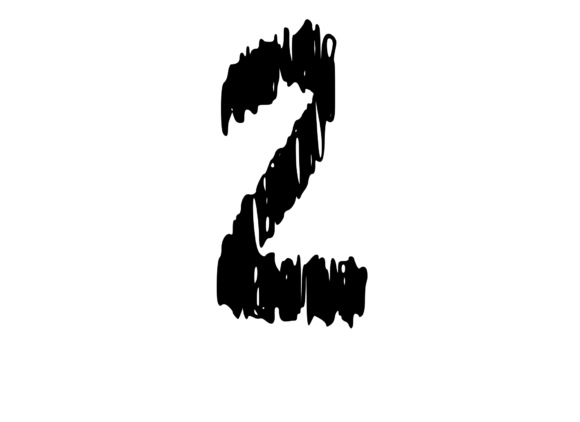
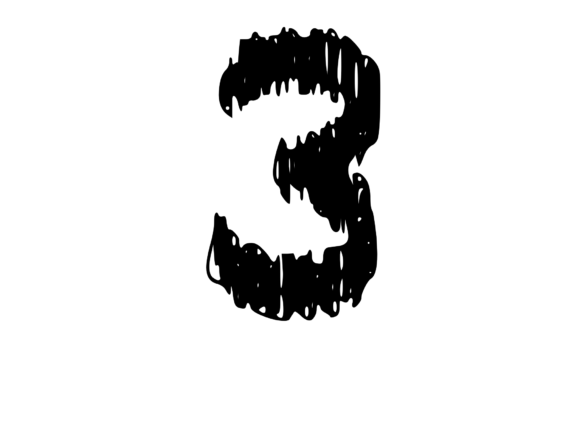
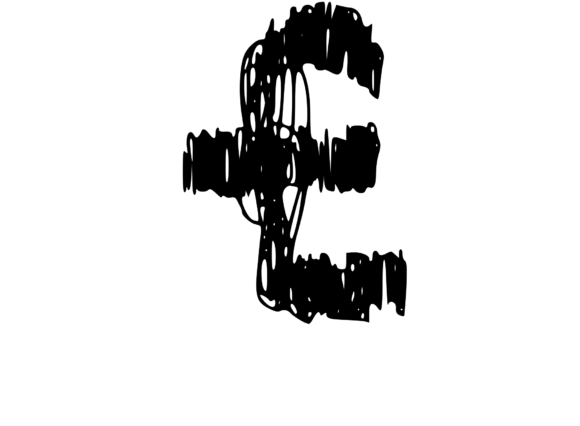
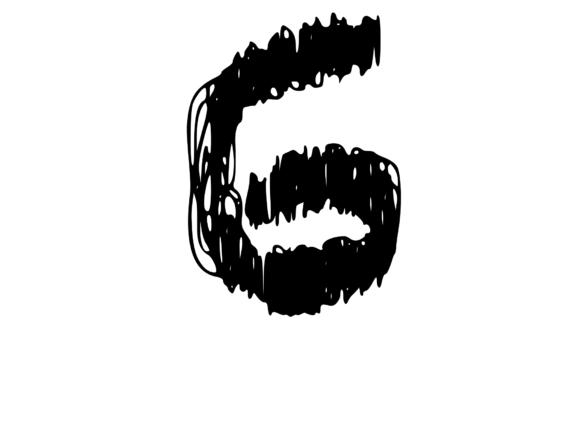
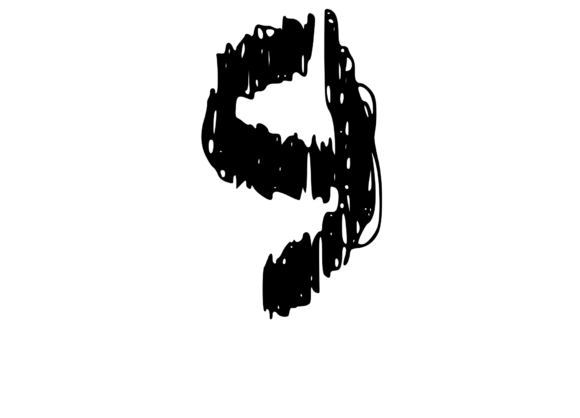
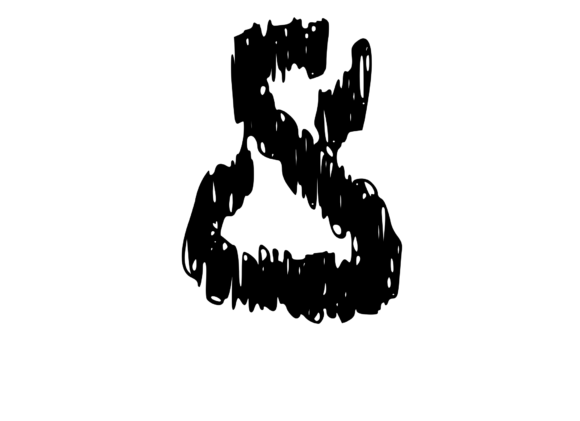
When I first opened the Quickly Scribbled Rough Mono 8 file, I immediately recognized the appeal. This is not a polished, perfect monogram. It has the energy of something drawn in a hurry with a marker, with rough edges and uneven strokes that feel genuinely handmade. The mono letter sits in the center of the design with a sketch-like quality that stands out from the usual clean embroidery fonts. The mood is casual and artistic, like something you might scribble on a notebook cover or a coffee shop napkin. The shape is loose, the lines are uneven, and the overall layout feels spontaneous. For embroidery, that is a refreshing change from the heavily digitized look many commercial machine embroidery designs have. This design belongs naturally on products where you want to communicate authenticity, creativity, and a personal touch. It feels like it was made by a human hand, not a machine, and that is exactly what many buyers are looking for in a handmade product.
First Impressions of Quickly Scribbled Rough Mono 8 as an Embroidery Design
The visual personality of Quickly Scribbled Rough Mono 8 is loose and expressive. It does not try to be neat or symmetrical, and that is its greatest strength. The letter has a raw, marker-drawn feel with visible stroke variation that gives it texture and movement. When I look at it, I think of custom apparel for artists, creative small businesses, or anyone who wants their branding to feel approachable and original. The design works well as a standalone accent or as part of a larger composition with other sketch-style elements. The detail level is moderate; there are no tiny, delicate lines that would cause trouble in stitching, but the rough edges do require careful digitizing to preserve the hand-drawn effect. The layout is centered and simple, which makes it versatile for many placements. This is not a design you would use for formal or corporate projects. It belongs in the world of Crafts and creative Graphics, where personality matters more than perfection.
Real Use Case: Embroidering a Custom Tote Bag
I recently tested Quickly Scribbled Rough Mono 8 on a custom tote bag project for a small shop owner who wanted a simple, artistic monogram on natural canvas. The tote bag was a mid-weight cotton with a slightly textured surface. I used a medium-weight cutaway stabilizer and a 60 wt thread in a deep charcoal color against the natural fabric. The design stitched out cleanly, with the rough edges reading as intentional sketch marks rather than digitizing errors. The client wanted the bag to feel like a piece of art, not just a promotional item, and the final result had exactly that look. The mono letter sat beautifully on the front panel, and the rough quality made it feel like it had been drawn directly onto the fabric. I also tested it on a lightweight sweatshirt for a different project, using a soft tearaway stabilizer and a poly thread in a dusty rose color. On the sweatshirt, the design held up well through a test wash, though I noticed that the rough edges became slightly softer after washing, which actually improved the hand-drawn look. For both projects, the design performed reliably, and the stitch density felt reasonable for the fabric types I used.
Performance Across Different Embroidery Projects
Quickly Scribbled Rough Mono 8 works well on a wide range of products, but it is important to match the design to the fabric and the project purpose. Here is how it performs in real-world use:
- Custom apparel and sweatshirts: The design stitches cleanly on mid-weight knits and fleece. Use a cutaway stabilizer for stretchy fabrics to prevent distortion of the rough edges. The sketch look actually benefits from slight fabric movement, as it reinforces the hand-drawn effect.
- Tote bags and canvas items: This is one of the best uses for this design. The rough style complements natural fibers and casual tote bags, giving them an artisan feel. The stitch density is light enough that it does not stiffen the fabric significantly.
- Baby embroidery and children's items: The soft, sketchy look works well on baby clothes and nursery decor. I would use a soft stabilizer and avoid dense stitching to keep the fabric comfortable against sensitive skin.
- Embroidered patches: This design makes an excellent patch, especially on a contrasting fabric background. The rough edges look great when trimmed close and sewn onto jackets or bags.
- Pillow covers and tea towels: For home decor, the design adds a casual artistic touch. It stitches well on linen and cotton blends, and the rough style suits farmhouse or bohemian aesthetics.
- Holiday gifts and personalized products: The mono letter works for monogrammed gifts where you want a less formal look. It feels thoughtful and original, not mass-produced.
- Small business merchandise and Etsy listings: This design is ideal for shop owners who want to brand their products with a creative, handmade vibe. It photographs well for printable mockup presentations and looks distinctive in product photos.
- Commercial embroidery and boutique branding: For businesses that sell design assets or finished products, this design offers a unique style that stands out from standard monograms. It is versatile enough for both personalized gift orders and small production runs.
Where to Use Quickly Scribbled Rough Mono 8 Carefully
Not every project is right for this design, and as an experienced reviewer, I want to point out where you should be cautious. The rough, uneven lines mean that the design may not read clearly at very small sizes. If you are working with a small hoop size or reducing the design significantly, some of the sketch detail can become muddled. I recommend testing the design at your intended size on scrap fabric first to confirm that the rough edges still look intentional and clear. Avoid using this design on very thin or delicate fabrics where even light stitch density might cause puckering. The design also works less well on dark fabrics unless you use a high-contrast thread color, because the rough lines can blend into the background. On curved surfaces like caps or hats, the rough edges may distort slightly, so I would test a sample before committing to a production run. For items that need frequent washing, such as kitchen towels or baby blankets, use a high-quality polyester thread and a stable backing to ensure the rough lines hold their shape. Finally, if you are creating commercial embroidery products for clients, make sure that the rough, sketchy style matches their brand identity. This is not a design for everyone, but for the right customer, it is perfect.
How Quickly Scribbled Rough Mono 8 Affects Product Value and Customer Trust
The visual appeal of Quickly Scribbled Rough Mono 8 directly impacts how customers perceive your finished product. When I used this design on a tote bag for a craft fair, several people commented that the monogram looked like it had been hand-drawn, and they found that quality more appealing than a perfect digital font. The rough style communicates authenticity, creativity, and care. For Etsy sellers and small shop product creators, that translates into higher perceived value and stronger customer trust. Buyers are often looking for products that feel unique and handmade, and this design delivers that impression. The stitching clarity is good when the design is used at an appropriate size and with proper stabilizer. The rough edges are not a flaw; they are a feature that sets your products apart from mass-produced items. When I sell a finished product using this design, I emphasize the hand-drawn quality in my listings, and customers respond positively. The design also contributes to brand consistency if you use it across multiple products, as the rough style creates a recognizable look. For giftability, the design feels thoughtful and personal, which makes it a strong choice for custom orders. In terms of professionalism, the design holds its own as long as the stitching is clean and the rough lines are intentional. It does not look sloppy; it looks artistic.
Practical Designer Notes Before You Stitch Quickly Scribbled Rough Mono 8
Before you use Quickly Scribbled Rough Mono 8 in a project, here are practical notes from my testing and real-world use. First, always test the design on scrap fabric that matches your final product. This is especially important for this design because the rough edges can behave differently on different fabric textures. Check the stitch density and confirm that the design is not too dense for your fabric. If the density feels high, you can reduce it slightly in your software, but be careful not to lose the sketch effect. Review the thread colors you plan to use. A single-color stitch works best for this design, as it mimics a marker drawing. Contrast is key: use a thread that stands out clearly against the fabric background. Test the design in black and white on paper or in a printable mockup to see how the rough lines read before stitching. Confirm your hoop size is large enough for the design at your intended scale. I recommend using a medium-weight cutaway stabilizer for most fabrics, and a tearaway for stable woven fabrics. Check whether the design is suitable for both personal and commercial projects by reviewing the licensing terms that came with your file. If the product description says Quickly Scribbled Rough Mono is a great choice for all artists, designers and crafters. Use this fantastic SVG to decorate or craft with. Use it to stand out from the crowd, proudly reproduce this let, make sure that the license covers your intended use, especially if you are selling finished items or digital products. I always confirm licensing before stitching for clients or listing finished items in my shop. For handmade product sellers, this design is a strong addition to your library, but it requires simple, careful preparation to get the best results.
Final Thoughts on Quickly Scribbled Rough Mono 8 for Embroidery Projects
After working with Quickly Scribbled Rough Mono 8 on multiple projects, I can say that it is a genuinely useful design for anyone who wants to add a hand-drawn, artistic touch to their embroidery work. It performs well on a variety of fabrics, from canvas to knits, and it creates a look that stands out from standard monograms. The rough style is not for every project, but for the right customer and product, it is a powerful tool. I recommend this design to embroidery designers, small business owners, crafters, Etsy sellers, handmade shop owners, apparel decorators, digital product sellers, creative entrepreneurs, hobbyists, and makers who want to offer something original. Use it on a custom tote bag, a sweatshirt, a baby onesie, a patch, an apron, a cap, a pillow cover, a kitchen towel, a holiday gift, or any product where authenticity matters. Test it, confirm your settings, and let the rough lines speak for themselves. This design earns a solid place in my collection, and I expect it will become a go-to for projects that need a touch of real handmade character.