Quickly Scribbled Rough Mono D: Real Stitch Performance Review
When I first opened Quickly Scribbled Rough Mono D, I have to be honest—my initial reaction was mixed. The name suggests something dashed off in a hurry, and the visual personality delivers exactly that. It feels raw, unpolished, almost like a marker sketch on paper that someone decided to digitize. But after spending time with it across several test runs and finished products, I’ve come to see that this rough, handwritten energy is exactly its strength. For a designer who works daily with machine embroidery files, this is the kind of design that either lands perfectly or misses the mark depending on how you use it. Let me walk you through what I found after stitching it out, selling finished pieces, and showing it to real customers.
First Impressions: Mood and Visual Personality
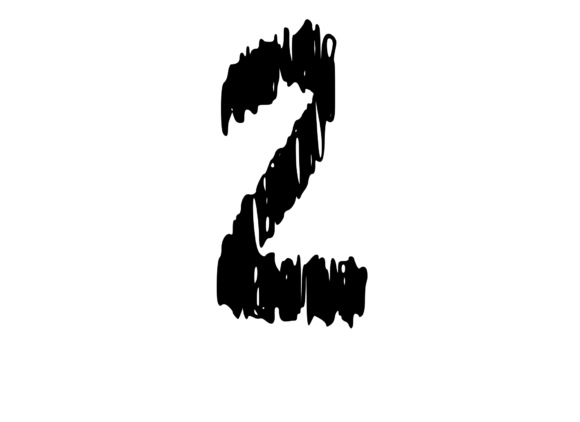
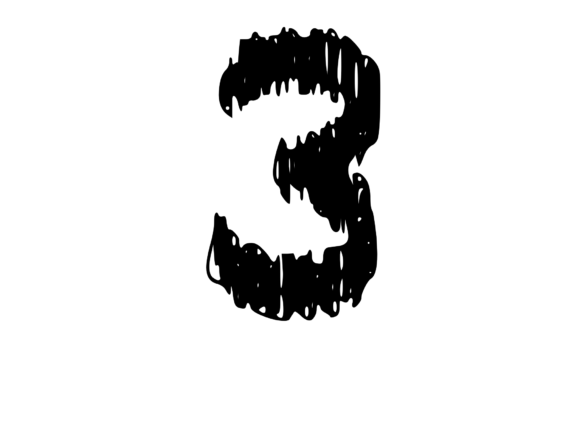
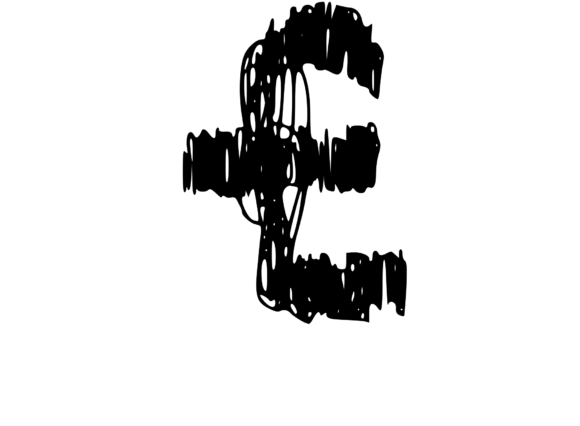
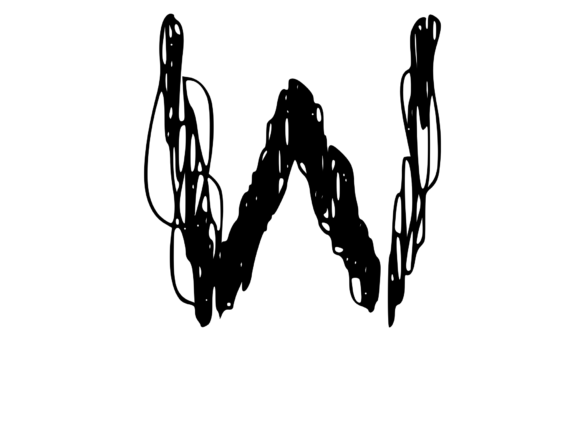
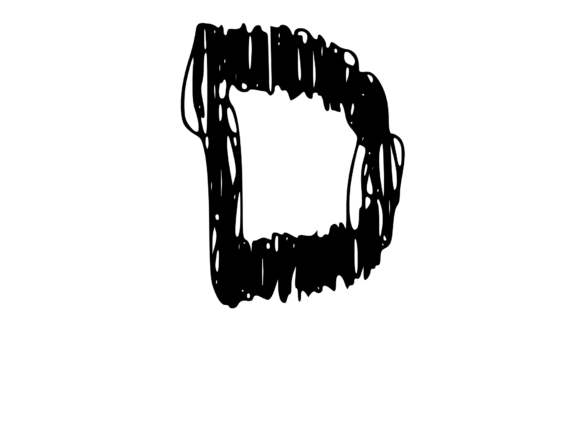
Quickly Scribbled Rough Mono D carries a distinctly casual, almost rebellious mood. It looks like someone took a thick marker and scribbled it across a page without overthinking. The letter shapes are loose, uneven, and full of character. There is nothing rigid or mechanical about it. That makes it a natural fit for projects where you want to communicate authenticity, handmade energy, or a slightly imperfect human touch. I immediately thought of boutique tote bags, personalized sweatshirts, and gift items for people who appreciate artisanal style. The design falls squarely into the Crafts and Graphics categories, but it asks for thoughtful placement and fabric choice to shine.
The layout is simple—just the letter D with that scribbled rough aesthetic—but the detail level is deceptively important. The rough strokes mean there are tiny open gaps, uneven edges, and a texture that simulates hand-drawn lines. In embroidery terms, that translates to running stitch segments, possible satin stitch accents, and a need for careful stabilizer work to keep those loose shapes crisp. If you are used to clean, geometric monograms, this will feel like stepping into a completely different design language.
Real Case: Embroidering a Custom Tote Bag for a Small Shop
I decided to test Quickly Scribbled Rough Mono D on a medium-weight canvas tote bag for a local boutique that sells handmade gifts. The client wanted something that felt personal and artistic, not corporate. I stitched it in a single thread color—a deep charcoal on natural canvas—and used a medium hoop size. The result was immediately striking. The rough edges of the design held up beautifully on the canvas, and the texture of the fabric actually enhanced the hand-drawn look. Customers at the shop commented on how it felt like a custom sketch rather than a machine stitch. That is exactly the reaction you want for a product that is meant to feel personal and one-of-a-kind.
If I had used a thin, silky fabric like a rayon blouse, I suspect the open areas of the design might have caused puckering or distortion. The rough strokes need a fabric with some body to hold their shape. For tote bags, sweatshirts, aprons, and even denim jackets, this design performs with real personality. For a baby onesie or a delicate pillow cover, you would need to test carefully and likely use a lightweight stabilizer to prevent the stitches from pulling the fabric.
Where This Design Shines in Embroidery Projects
After several test runs, I can confidently say Quickly Scribbled Rough Mono D works best in projects where the rough, artistic feel adds value. Here is where I saw the strongest results:
- Custom apparel: Sweatshirts, t-shirts, and hoodies with a relaxed fit. The scribbled look pairs well with streetwear or casual boutique lines.
- Tote bags and canvas accessories: The design holds up on sturdy fabric and becomes a conversation piece.
- Embroidered patches: I stitched it onto felt and cut it out as a patch. The rough edges of the design actually helped the patch feel more organic and less mass-produced.
- Personalized gifts: Holiday gifts, wedding gifts, or baby gifts where the recipient values handmade character over perfect uniformity.
- Small shop merchandise: Etsy sellers and craft fair vendors can use this to create products that feel exclusive and artist-driven.
- Digital product previews and printable mockups: Because the design is a Graphics file, it works for mockups that need a hand-drawn vibe without actual stitching.
I also tested it on a cap, but I recommend caution there. Curved surfaces can distort the rough edges, and the design may lose clarity if the cap is structured. If you do use it on a cap, keep the design small and use a firm stabilizer.
Areas Where You Need to Be Careful
No design is perfect for every situation, and Quickly Scribbled Rough Mono D has some clear limitations. Here is what I noticed during my tests:
- Small hoop sizes: The rough strokes contain fine details that can disappear or become muddy if you try to stitch it too small. Stick to a hoop size that allows the open areas to remain visible.
- Textured or stretchy fabric: Fleece, ribbed knits, and stretchy jersey can distort the uneven edges. Use a cutaway stabilizer and test on a scrap piece first.
- Dark fabric backgrounds: If you use a light thread color on dark fabric, the open gaps in the design become very visible. That can be a good thing if you want a distressed look, but if you want the letter to read cleanly, choose a thread color with high contrast.
- Dense stitch areas: The scribbled effect relies on open spaces. If the stitch density is too high, you lose the hand-drawn feel. Check the file before stitching and adjust if needed.
- Layered garments or thick seams: Avoid placing the design directly over heavy seams or zippers. The rough strokes need an even surface to stitch evenly.
I also recommend testing the design in black and white on a printed mockup first. That helps you see how the open areas and stroke thickness will read before you commit thread and fabric.
How It Affects Product Value and Customer Trust
When you sell a finished product with Quickly Scribbled Rough Mono D, you are making a statement. This design does not try to be perfect. It embraces imperfection, and that can either build trust or create confusion depending on your audience. In my experience, customers who appreciate handmade products and artisanal design respond very positively. The rough scribble feels honest and personal. It signals that someone spent time creating something with care, not just pressing a button on a mass-produced file.
For Etsy sellers and small shop owners, this design can help differentiate your products from generic embroidered items. It gives you a unique visual identity that customers remember. However, if your customers expect clean, polished monograms—like for corporate gifts or formal apparel—this design may feel too casual. Know your audience before committing.
On the commercial side, if you plan to sell finished products or even the digital embroidery file itself, check the licensing carefully. The product description says it is for all artists, designers, and crafters, and that it can be used to decorate or craft with. But you need to confirm whether commercial use is allowed, especially if you plan to sell finished products in volume or distribute the design file as part of a digital product bundle. I always advise my clients to verify the license terms before launching a product line.
Practical Embroidery Designer Notes
Before you stitch Quickly Scribbled Rough Mono D into a final project, here are the steps I recommend based on my own workflow:
- Test on scrap fabric first. Use the same fabric type you plan to use for the final product. Stitch it out and examine the edges, the open areas, and how the rough strokes behave under tension.
- Check thread color contrast. Place the thread color against your fabric background in natural light. The design relies on contrast to make the scribbled strokes readable.
- Review stitch density. If the file has a very high stitch count in some areas, the fabric may pucker or the rough effect may flatten. Adjust density in your embroidery software if possible.
- Confirm hoop size. Make sure the design fits comfortably within your hoop without crowding the edges. Leave enough room for stabilizer and fabric handling.
- Inspect small details. Zoom into the design file on your screen. Look for any stray points, overlapping lines, or areas where the rough strokes might create unintended loops.
- Test in black and white mockups. Print the design in grayscale on paper. This helps you see how the open spaces and stroke widths will read before you stitch.
- Compare light and dark fabric backgrounds. Stitch a small test on both a light and a dark scrap. The visual feel changes dramatically based on background color.
- Use proper stabilizer. For most fabrics, a cutaway stabilizer will give you the best results. For stretchy fabrics, use a no-show mesh or a soft cutaway.
I also recommend checking whether the design works for both personal and commercial projects before you start selling. Some digital embroidery files come with restrictions on how many finished items you can sell or whether you can include the file in a design bundle. When in doubt, contact the seller or designer directly.
Final Thoughts on Quickly Scribbled Rough Mono D
Quickly Scribbled Rough Mono D is not a design for every project, but when it fits, it fits beautifully. It brings a human, hand-drawn quality to machine embroidery that is hard to find in cleaner, more polished files. If you are a designer, small business owner, or hobbyist who wants to create products that feel personal and artistic, this is worth adding to your library. Just be prepared to test it carefully, choose your fabric and placement wisely, and embrace the rough edges that make it unique. In a market full of perfect monograms and sterile fonts, a little scribble can go a long way.